Selling on Vestiaire Collective – What Is Actually Worth Listing?
Why I love selling vintage designer fashion, but no longer list everything in my wardrobe.

Why I love selling vintage designer fashion, but no longer list everything in my wardrobe.
I have been buying and selling vintage designer fashion for years. For me, fashion is not disposable. A beautifully made Gucci bag, a pair of vintage Prada heels or a timeless Fendi accessory deserves another life rather than being forgotten at the back of a wardrobe.
That is why I love the idea behind Vestiaire Collective. It connects people who appreciate craftsmanship, luxury fashion and the beauty of buying something with history.
But as a Vestiaire Collective Expert Seller, I have learned something important: just because an item sells doesn't mean it was worth selling.
Let me explain using my own sales, the actual commissions deducted and the lessons I have learned along the way.
1. Understand How Vestiaire Collective Works Before You Start
Vestiaire Collective is a resale marketplace specialising in designer, premium and luxury fashion.
You photograph your item, write a description, select its condition and set your selling price.
Potential buyers can discover your listing, ask questions, make offers or purchase the item.
When it sells, Vestiaire deducts the applicable selling and payment-processing fees, and you receive the remaining amount after the transaction has been completed.
Depending on the delivery method, an item may be shipped directly to the buyer or pass through Vestiaire for authentication and quality checks.
What makes Vestiaire different from an ordinary second-hand marketplace is its focus on designer fashion and its international audience.
Someone in another country might be searching for the exact vintage handbag that has been sitting in your wardrobe for ten years.
That is where the platform becomes particularly interesting.
2. The Real Cost of Selling: My Gucci, Prada and Moreschi Sales
I always advise sellers to look beyond the advertised selling price.
What matters is how much money reaches your bank account.
Here are three examples from my own selling history:
Item | Sold for | I received | Fees deducted |
|---|---|---|---|
Gucci Bamboo bag | €325 | €260 | €65 |
Prada flats | €47 | €32 | €15 |
Moreschi boots | €50 | €35 | €15 |
My Gucci Bamboo bag was a straightforward transaction. It sold for €325 and I received €260. Vestiaire took 20%.
For a designer handbag reaching an international luxury audience, that is a commission I can justify.
Now compare that with my Prada flats.
They sold for €47, but I received only €32.
My Moreschi boots sold for €50, and I received €35.
In both instances, €15 was deducted.
Suddenly the cost of selling looks very different.
I still had to photograph the shoes, inspect them, write the description, answer potential questions, pack them securely and arrange dispatch.
Whether I sell an item for €50 or €500, much of that work remains the same.
My first Expert Seller tip: calculate your expected payout before accepting an offer, not afterwards.
3. Why I Am Much More Selective About Items Under €60
One of my most surprising sales was a necklace that sold for €35.
I actually received €20.
That meant €15 had been deducted, or approximately 43% of the selling price.
This was my recorded payout, not a claim that Vestiaire currently applies a 43% commission to every €35 transaction.
For euro listings added from 9 June 2026, Vestiaire publishes a €12 fixed selling fee plus €3 processing charge for items below €75. From €75 to €15,000, its published standard structure is 17% selling commission plus 3% payment processing.
However, Vestiaire's seller terms also specify a maximum combined seller fee of 30% of an item's price for ordinary sellers. That means sellers should verify the actual fees shown in their account, particularly for inexpensive items where the published fixed charge would otherwise exceed that cap.
The lesson remains the same: smaller sales can become less rewarding once fees and your own time are taken into consideration.
Today, I generally avoid listing anything under €60 unless there is a compelling reason.
Instead, I would consider Vinted, selling locally, offering the item to a friend or donating it to charity.
My wardrobe clear-outs are supposed to simplify my life, not create hours of administration for a few euros.
4. Calculate What You Will Actually Earn
For standard euro listings between €75 and €15,000, here is what Vestiaire's published 20% combined fee means.
Selling price | Total fees | You receive |
|---|---|---|
€75 | €15 | €60 |
€100 | €20 | €80 |
€150 | €30 | €120 |
€250 | €50 | €200 |
€325 | €65 | €260 |
€500 | €100 | €400 |
These examples assume the standard published rates, without any additional adjustments or special seller arrangements.
I find this incredibly useful when deciding what price to list an item at.
For example, if I want to receive €120 for a designer bag, listing it at €120 will not achieve that.
I need a selling price of €150 at the standard 20% fee.
The same applies when someone makes an offer. A €100 offer is not €100 in your pocket.
It is normally €80 at the published rate.
This is why I never assess an offer purely by the headline figure.
5. Some Designer Brands Are Better Suited to Vestiaire Than Others
Not every designer item has the same resale appeal.
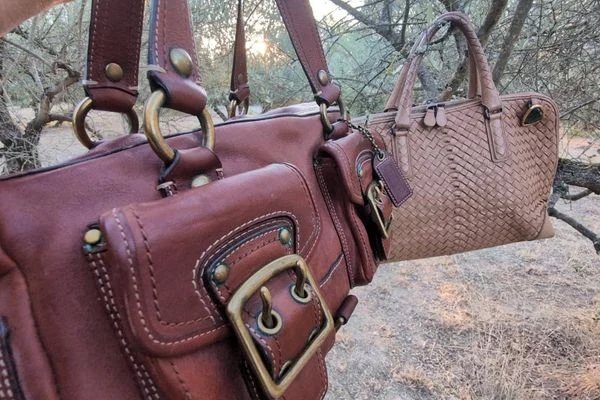
From my experience, vintage luxury handbags and distinctive accessories often make more sense on Vestiaire than ordinary shoes or inexpensive clothing.
I particularly enjoy finding and selling:
- Vintage Fendi handbags and jewellery, especially distinctive Baguette designs.
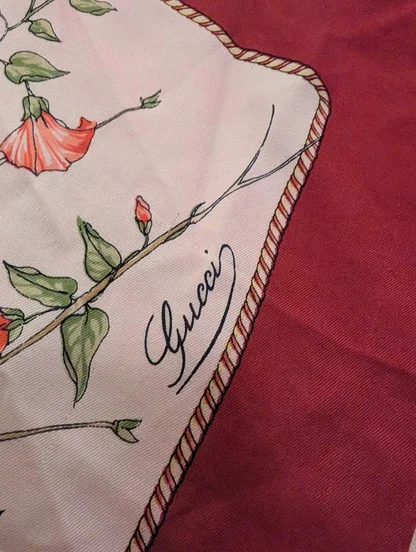
- Gucci handbags with recognisable hardware and classic silhouettes.
- Vintage Prada shoes, tailoring and quality wool trousers.
- Beautifully made Italian leather goods from brands such as Tod's, Church's and Campomaggi.
- Interesting Uterqüe pieces that offer something unusual in design or craftsmanship.
However, I never assume that a famous label guarantees a good resale price.
A shoe can cost hundreds of euros new and still attract disappointing second-hand offers.
Handbags are often easier for me to justify listing because they are not affected by fit in quite the same way as shoes or tailored clothing.
Condition, colour, model, current demand and rarity all matter.
Expert Seller tip: research what similar items have actually sold for, rather than relying only on optimistic asking prices.
6. Why Good Photography Can Make All the Difference
A beautiful designer bag can look completely ordinary in a bad photograph.
I know this from experience as both a buyer and seller.
Some of my favourite vintage discoveries have been handbags whose photographs failed to capture the colour, leather finish or craftsmanship.
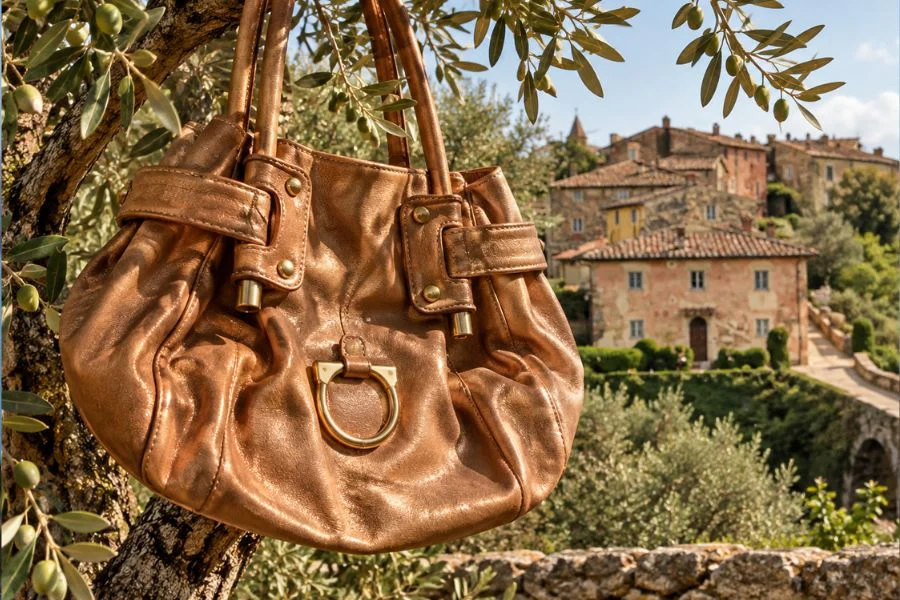
Metallic leather is a wonderful example.
In poor lighting, a shimmering bronze bag can look like dull brown leather. Under natural light, the finish can be extraordinary.
When I sell, I try to show the item as clearly as possible.
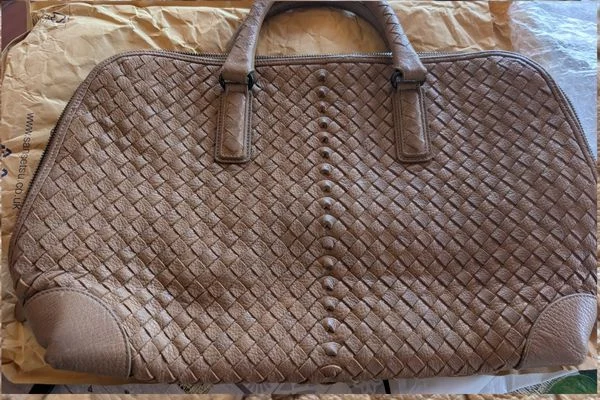
Photograph the front, back, sides, base, lining, handles, hardware, labels and any signs of wear.
Natural daylight is particularly useful for leather, suede and metallic finishes.
And please, never hide damage.
A buyer who knows exactly what they are purchasing is much more likely to be satisfied.
7. Be Honest About Condition — It Protects Everyone
One of my biggest frustrations when buying second-hand designer fashion is discovering problems that were never disclosed.
A bag may be described as being in very good condition but arrive with pen marks inside, an unpleasant smell or damaged leather.
These details matter.
Before listing an item, inspect it properly.
Look at the lining, corners, handles, zips, soles, heels and hardware. Describe odours, stains, repairs, scratches and other imperfections.
Do not rely on saying an item is vintage as an excuse for poor disclosure.
Vintage means an item has a history. It does not mean buyers should expect undisclosed damage.
And never spray perfume on a handbag to disguise a smell. Fragrance can linger in leather and fabric, making the situation worse.
My rule is simple: describe the item as carefully as I would want someone to describe it to me.
8. Be Patient With Offers and Pricing
There is a difference between wanting to sell something and needing to sell it immediately.
I have learned not to panic when an item sits unsold for several weeks.
The right buyer may simply not have discovered it yet.
Vintage fashion is not always about instant demand. Sometimes an unusual colour, design or model appeals to a very specific person.
That said, sellers need to remain realistic.
A high original retail price does not automatically mean a high resale value.
My advice is to choose a fair asking price, allow sensible room for negotiation and decide in advance what your minimum acceptable payout will be.
Do not accept a low offer simply because you have received a notification.
Expert Seller tip: work backwards from the amount you want to receive, including commission, before deciding whether an offer makes sense.
9. Think Carefully Before Deleting and Relisting Older Items
Vestiaire has changed its selling fees over time.
For euro listings, the current published rate structure dates from 9 June 2026, and its fee information distinguishes between listing periods.
Older items can therefore have different fee calculations.
Before deleting an old listing and creating a new one, check the fees shown for that item and compare them with the fees that would apply to a new listing.
Also check the final payout before accepting an offer, because fee conditions can change.
Deleting and relisting might improve visibility, but it should not be an automatic decision.
10. Why I Still Recommend Vestiaire Collective
After discussing commissions, you might wonder why I continue using Vestiaire at all.
The answer is simple.
I believe in the long-term value of beautifully made fashion.
Vintage Gucci, Prada, Fendi and other designer pieces often possess a quality and individuality that are difficult to replicate in today's fast-fashion culture.
Vestiaire gives these pieces a global second-hand marketplace.
I can sell an item to someone who genuinely appreciates its design, just as I can discover a rare piece from another woman's wardrobe.
I also appreciate that the platform provides transaction tools, shipping support in eligible locations and authentication services where applicable.
But I now treat selling much more strategically.
I do not list everything simply because I no longer wear it.
I consider the brand, condition, resale value, demand, fees and the time it will take to complete the sale.
My Final Advice as a Vestiaire Expert Seller
For me, luxury resale is about more than making money.
It is about investing in pieces that last, appreciating craftsmanship and allowing beautiful fashion to be enjoyed by somebody else.
But selling should still make financial sense.
My personal rule is to be selective below €60, evaluate carefully between €60 and €75 and focus my Vestiaire selling activity on designer pieces where the potential return justifies the effort.
Most importantly, never confuse the price an item sells for with the money you actually earn.
A €35 sale can sound like a lovely little wardrobe win until you look at the payout.
And when you are selling something beautifully made, perhaps vintage Italian leather or a handbag with exceptional hardware, patience is often worth far more than accepting the first offer.
I would rather sell fewer beautiful things at sensible prices than spend my days packing parcels for almost nothing.
Because buying and selling vintage fashion should be enjoyable, sustainable and rewarding.
And sometimes the best decision is to keep the bag.
Gracie Opulanza — Luxury Lifestyle Journalist and Vestiaire Collective Expert Seller