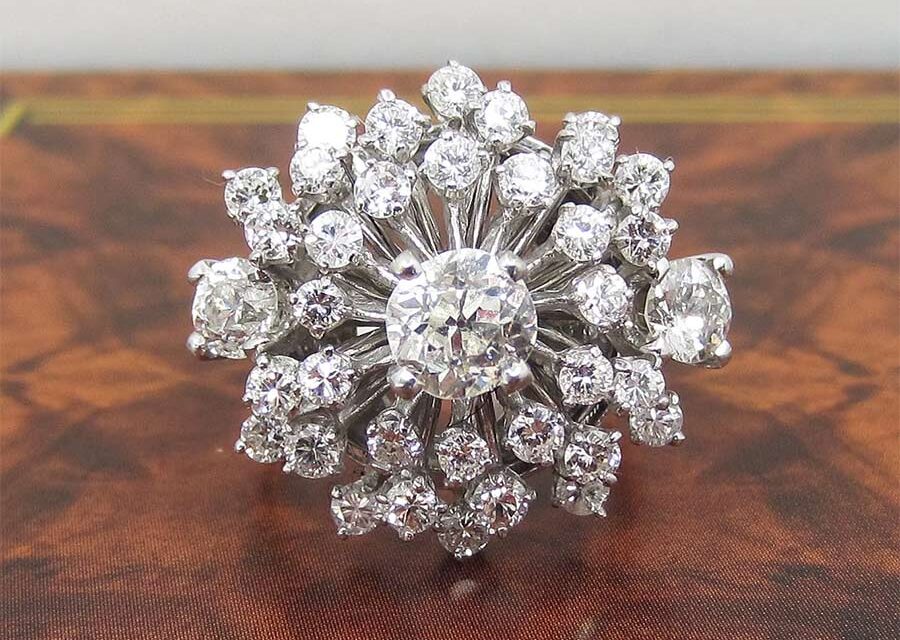
There is something wildly powerful about slipping on a diamond ring with a past. It has seen other hands, other lives, other stories – and now it’s part of yours. In a world obsessed with “new in box” and overnight shipping, choosing a vintage diamond ring is an act of rebellion and self-respect. You’re not just buying sparkle. You’re buying history, craftsmanship and value that modern jewellery often can’t touch.
If you’re considering a diamond ring and you’re open to preloved jewellery, here’s why vintage deserves your attention – and how to choose a piece that feels like it was always meant for you.
1. Better Value for Your Money
With modern diamond rings, a big chunk of the price is branding, glossy boutiques and marketing campaigns. With vintage diamond rings, a bigger slice of what you pay usually goes into the actual materials and craftsmanship.
- You often get larger stones or more intricate designs for the same budget.
- The “new” retail markup has already been paid by someone else. You’re buying after that first big jump in price.
You’re essentially skipping the hype and going straight to the treasure.
2. Character You Can’t Mass-Produce
You can buy a modern solitaire in any shopping centre. It will be pretty, it will sparkle, and there will be another ten just like it in the same mall.
Vintage diamond rings are different.
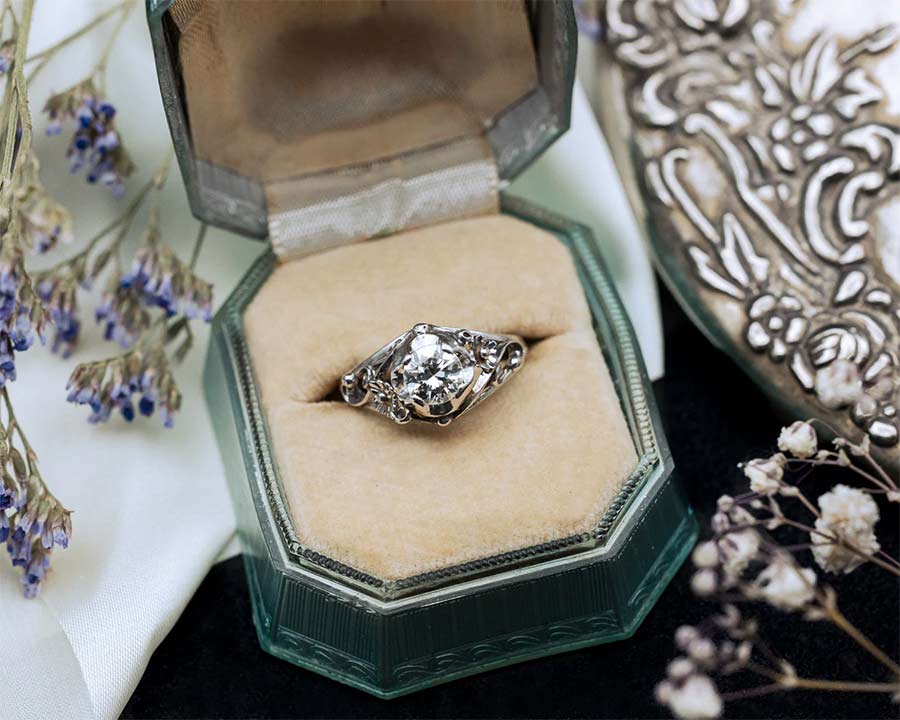
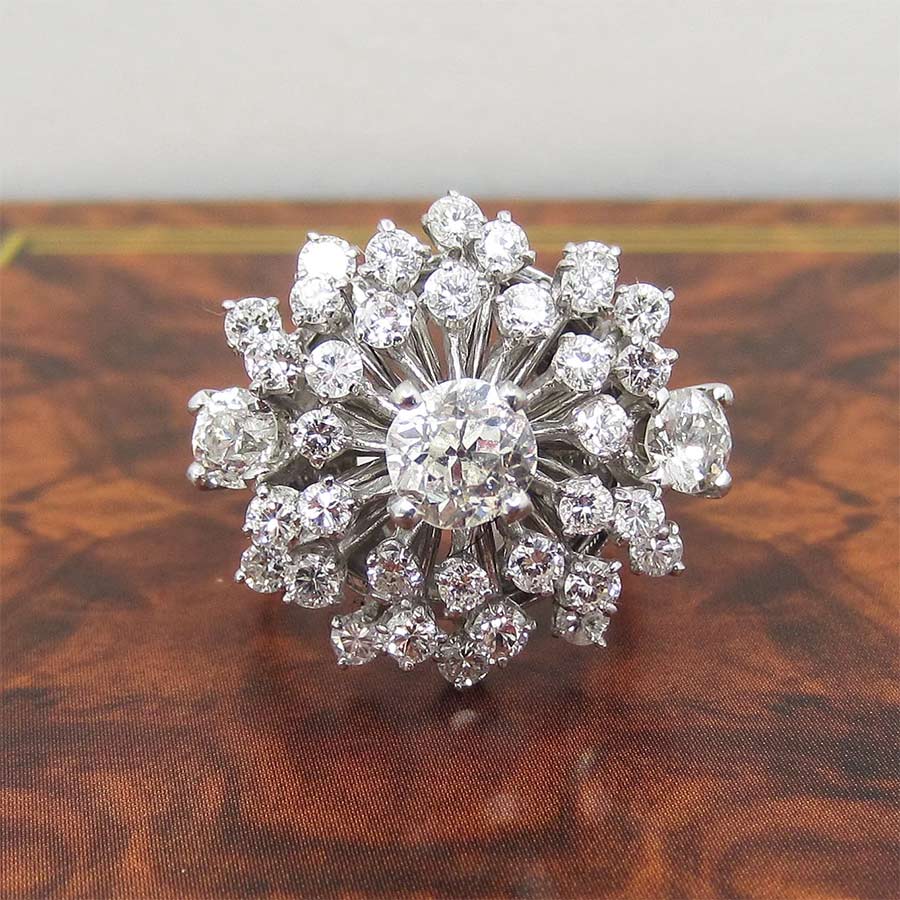
- Hand-engraving, milgrain edges, filigree work, unusual settings – these details were often done by hand.
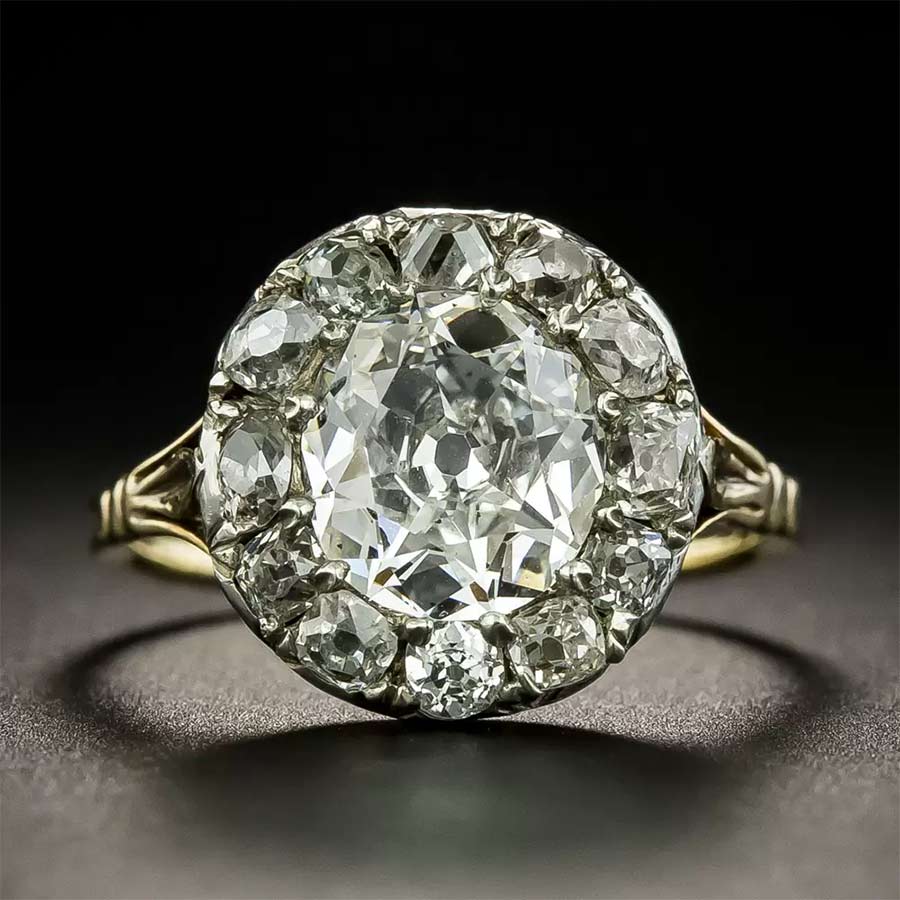
- Older cuts like old mine cut or old European cut diamonds have a softer, candlelit sparkle that feels romantic and unique, not laser-perfect and clinical.
A vintage ring doesn’t scream, “I spent X amount at Brand X”. It quietly says, “I have taste. I chose this.”

3. Sustainability Without the Lecture
If you care about responsible consumption, preloved jewellery is one of the most elegant ways to live that value.
- No new mining. No new environmental footprint for that diamond.
- No new demand created for fast, cheap, disposable jewellery.
You’re giving a second life to a ring that already exists. It’s fashion with a conscience – and it looks fabulous in every light.
4. Silent Stories and Emotional Power
There’s an emotional charge to vintage jewellery. It has survived marriages, wars, family dramas, house moves, heartbreaks and happiness. It has been worn to dinners, weddings, births, and nights where someone thought, “I’ll remember this forever.”
You’ll never know the full story, but that’s part of the magic. You’re adding your chapter to a long, glittering book.
How to Choose Your Vintage Diamond Ring
You’re not picking something off a factory line. You’re selecting a one-of-a-kind piece. Here’s how to do it with confidence.
1. Decide What You Want This Ring to Represent
Before you start scrolling and trying things on, get clear on why you’re buying it.
- A commitment to yourself after a hard year?
- A replacement for a ring that was lost, stolen, or never bought in the first place?
- A future heirloom to pass down?
When you know the story you want this ring to tell, it becomes easier to choose. A “survival ring” or “celebration ring” might be bold, oversized and unapologetic. A ring you plan to wear every day might need low-profile settings and serious comfort.
2. Explore Eras: Vintage Isn’t One Look
Different decades have very different personalities. Roughly:
- Victorian (1830s–1900s): Romantic, floral, symbolic. Think hearts, bows, secret meanings.
- Edwardian (early 1900s): Airy, lace-like designs, platinum, lots of filigree.
- Art Deco (1920s–1930s): Geometric, bold lines, baguette diamonds, symmetry, drama.
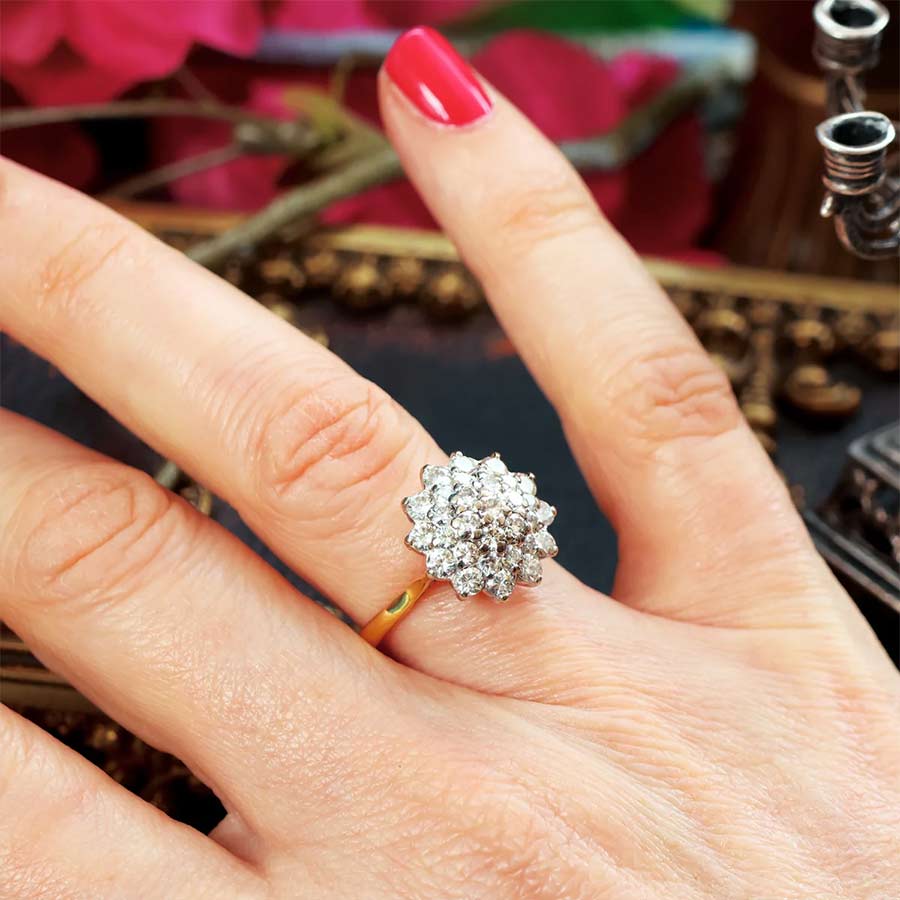
- Retro & Mid-Century (1940s–1960s): Chunkier gold, sculptural shapes, sometimes mixed gems and diamonds.
Ask yourself: Are you more romantic, geometric, or sculptural? Try rings from different eras and notice which style makes your hand – and your mood – light up.
3. Understand Diamonds with Personality
Modern diamonds are all about perfection: the 4Cs, certification, the right “grade”. Vintage diamonds often don’t fit neatly into those boxes – and that’s why they’re interesting.
- Old cuts may face up a little smaller than modern brilliants, but they have that soft, romantic sparkle that feels like candlelight.
- You might see inclusions (tiny internal marks) that don’t bother you in real life but would lower a lab grade. If you can’t see it with your eyes, don’t let it scare you on paper.
- Colour can be warmer. A vintage diamond with a slight tint can actually look richer in yellow gold or rose gold.
Focus on how the ring looks on your hand, in everyday light – not just on a grading report. You’re not marrying the certificate. You’re wearing the ring.
4. Check the Craftsmanship Closely
Preloved doesn’t mean “worn out”. A well-made vintage ring will survive decades with basic care. Still, you need to inspect it.
Look for:
- Prongs and claws: Are they worn, thin or bent? These might need retipping to keep the stone secure.
- Band thickness: Extremely thin or sharply worn bands can snap and may need reinforcing.
- Stone security: Gently tap the ring near your ear – if you hear a rattle, a stone might be loose.
- Symmetry: Vintage rings aren’t always perfectly symmetrical. That’s okay – but make sure any quirks are charming, not structural issues.
If you’re buying online, ask for close-up videos and photos from different angles. A reputable seller won’t hesitate.
5. Know Your Size – and What Can Be Resized
Most vintage rings weren’t made for your hand – yet. But a good jeweller can usually resize them.
- Simple bands are usually easy to resize.
- Intricate bands with engraving or lots of stones around the shank can be more complicated.
- Extreme changes (several sizes up or down) can distort the design or weaken the band.
Ask the seller what’s realistically possible before you buy. Budget for sizing and any minor repairs – think of it like tailoring a vintage blazer to fit perfectly.
6. Look for Hallmarks and Metal Quality
The back of the band is where the secrets are:
- Hallmarks can tell you the metal (18ct gold, 14ct, platinum, etc.) and sometimes the country or era.
- Confirm that the metal is solid gold or platinum, not just plated. Plating wears away and is not what you want for a serious diamond ring.
A trustworthy seller should be able to tell you the carat, weight and metal type – and show you where it’s marked.
7. Ask About Documentation – but Don’t Be Obsessed
Some vintage diamond rings come with old certificates, appraisals or receipts. That’s wonderful, but not essential.
What you do want:
- A clear description of the diamond’s approximate carat weight, measurements, and visible quality.
- A professional opinion from a jeweller or gemologist if the ring is high in value.
If the ring doesn’t have a lab certificate and it’s a significant purchase, you can always have it independently appraised after buying. Just make sure the price reflects the fact you’re buying by eye, not by paperwork.
8. Choose with Your Eyes, Not Just Your Head
Vintage diamond rings are emotional purchases. Yes, be practical. Yes, check the settings and metal. But when you put the ring on, how do you feel?
- Do you keep looking at your hand?
- Does it make you stand a little taller?
- Does something inside you say, “This is mine”?
That reaction matters. You’re not buying a spreadsheet; you’re choosing a tiny piece of art to live on your hand.
Final Thoughts: Preloved, Not Second Best
Buying a vintage diamond ring is not settling for second best; it’s often an upgrade. You’re getting:
- Better value
- Richer design
- A lower environmental footprint
- A ring with real character and history
Whether you’re celebrating your survival, reclaiming your power, or simply choosing to invest in something beautiful that will outlast trends, a vintage diamond ring can be a powerful symbol of exactly who you are now.
Preloved jewellery proves one thing: “used” does not mean “less”. In the right light, and on the right hand, it means more.