The Ultimate Guide to Selling Vintage & Preloved Luxury on Vestiaire Collective
How to sell vintage and preloved luxury on Vestiaire Collective: what to source, how to photograph, describe, price and pack it, and keep buyers happy.
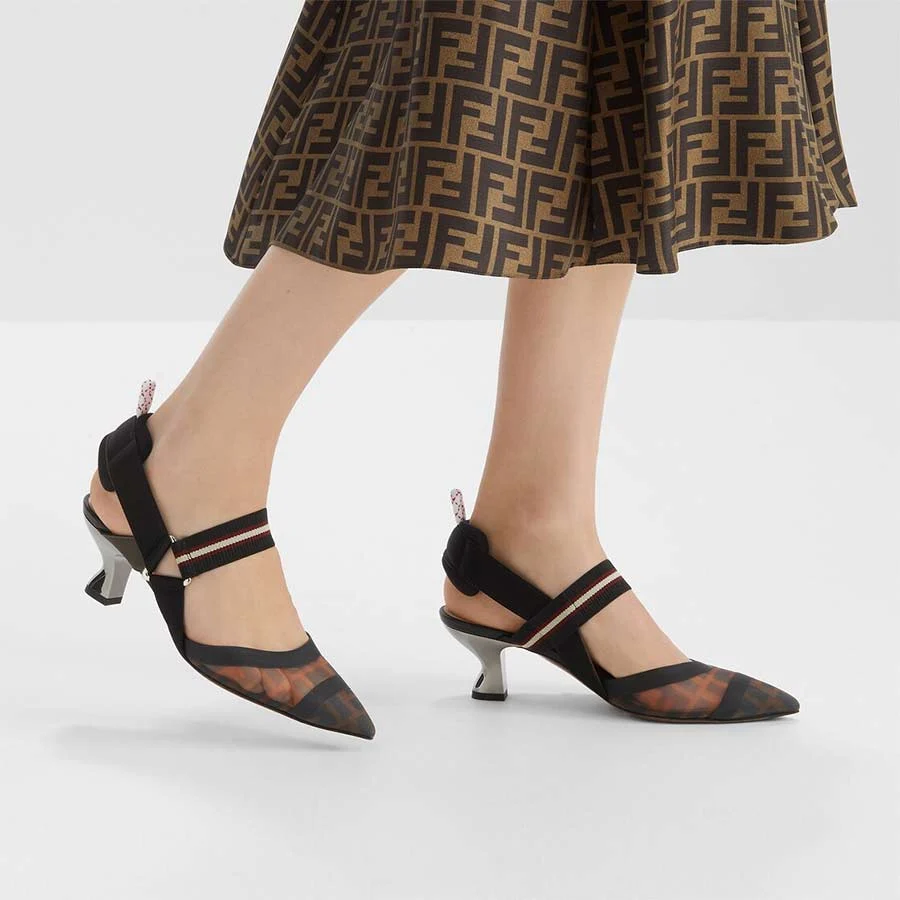
I buy and sell on Vestiaire Collective, where I am an Expert Seller and have sold 46 items so far. This guide uses designer shoes as the example. The same rules work for bags, dresses and coats.
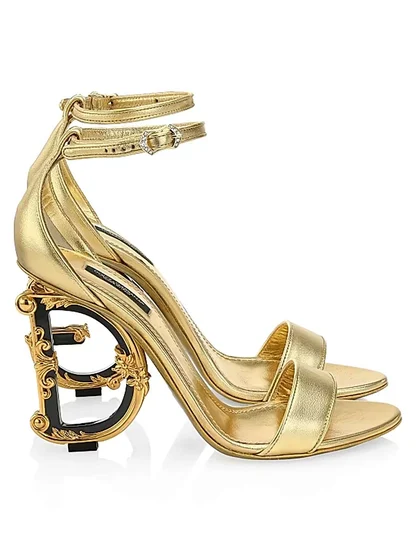
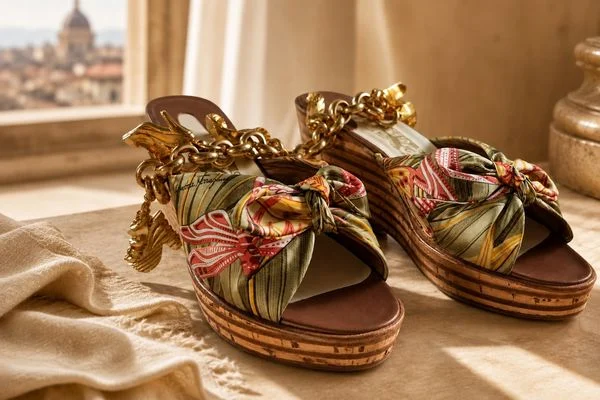
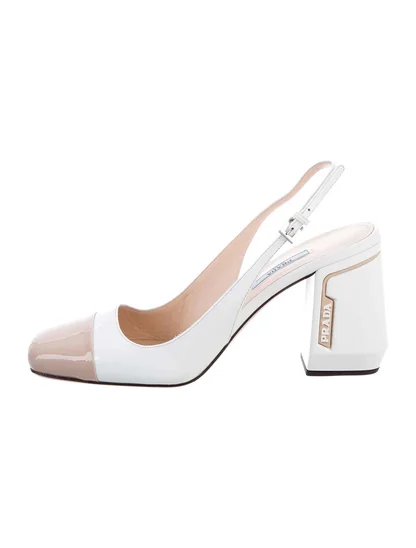
Most of what I sell is shoes that are new, never worn and still with their tags. The pairs in the photographs are ones I sold myself.
Why selling vintage and preloved luxury works
There are three reasons people buy this way.
- Shoppers want designer quality without paying full retail.
- More people care about sustainability and about keeping clothes in use.
- Many buyers trust a platform like Vestiaire Collective more than a random auction site.
The pieces that sell best are new, never worn and still with their tags, and bought cheaply enough to leave you a profit of around 50%.
1. Source smart: profit starts before you list
Good feedback starts with what you choose to sell, long before you write the listing. Look for:
- New or never worn
- Still with the original tags or box
- Recognisable brands: Prada, Fendi, Dolce & Gabbana, Celine
- Bought cheaply enough that you can comfortably add a 50% margin
Where to find stock, and what to check:
- End-of-season sales, where designer shoes drop by 50 to 70%.
- Outlet villages, sample sales and store clearances.
- Sizes that are in high demand. Popular women’s sizes often sell faster.
- Every pair, for defects: scuffs, mismatched sizes, damaged leather, broken heel tips.
The better the condition at the start, the easier the sale and the fewer the disputes.
2. Know your buyer: who shops on Vestiaire Collective?
The Vestiaire Collective buyer knows luxury brands, will pay more for authenticity and condition, and often comes back to a seller they trust. So write your listing for that person.
- They want to know: is it real? Is it in excellent condition? Why is it being sold?
- They care about measurements, fit, true colour, the exact model name, and a receipt or proof of purchase if you have one.
You are selling a pair of shoes. You are also selling peace of mind.
3. Condition, condition, condition
“New, never worn, with tag” is the phrase that makes a buyer stop hesitating. Only use it when it is true. Be brutally honest.
- If you wore them once for a photoshoot, say “worn once, as new”, not “never worn”.
- If there is the tiniest mark on the sole, photograph it.
- If the box is damaged, say so.
Good feedback is built on trust, not on perfection. Buyers value honesty even more than a flawless shoe.
4. Photography that sells
Photographs are where most sellers fail. Show the shoe as if it were still in the boutique.
- Good light. Natural daylight near a window is best. Avoid harsh shadows and yellow indoor light.
- A clean background. A plain floor, a white sheet or a neutral wall. No messy room and nothing to distract.
- Several angles. Front, side and back, and the soles. For “never worn”, the clean sole is your proof.
- Close-ups. The logo, the size and the “Made in Italy” or “Made in France” stamp. If the tags are attached, photograph them clearly.
- One photograph of them worn. It is optional, but it works. With jeans or a dress, it helps buyers picture the shoes in their own wardrobe.
Your photographs should answer every question a buyer has before they read a word of the description.
5. Write the listing like a luxury sales assistant
Think like the sales assistant in a Prada boutique, not a stallholder at a flea market. A good description has:
- Brand, model and material. “Prada black patent leather slingback heels.”
- Condition. “New, never worn, with original tag and box.”
- Sizing and fit. “Labelled EU 39, fits true to size”, or “runs slightly small”.
- The reason for selling. Optional, but reassuring. “Purchased on sale but never worn. Clearing out my wardrobe.”
- Extra details. The heel height, and the colour described properly: “deep burgundy”, not “red”.
- Authenticity markers. Hologram, brand stamp, dust bag.
Use clear, confident language. Don’t put “stunning” in every sentence. Let the facts and the condition do the talking.
6. Pricing for profit and a fast sale
A margin of around 50% works if you buy very low. To set the price:
- Research similar listings. Look at what the same model, or a similar style, has sold for in the past.
- Consider condition and rarity. New with tag can ask a solid price, especially when the model is sought after or a limited edition.
- Leave room to negotiate. Price slightly above the least you would accept. Buyers on resale platforms expect a little flexibility.
The aim is a steady flow of sales, and buyers who come back because they trust your prices and your descriptions. One big profit on one item matters less.
7. Communication
Feedback is about how you behave as a seller as much as it is about the product.
- Answer questions quickly and politely.
- Be open. If shipping will be a day late, say so in advance.
- Never get defensive when a buyer is worried. Reassure them with extra photographs or information.
- Keep all communication on the platform, so everything is documented.
Even with an anxious or picky buyer, a calm, respectful and helpful reply is what earns the five stars.
8. Packaging: make it feel like a boutique
Unboxing is part of buying luxury, and that goes for resale too.
- Send every item clean and neatly packed.
- Use tissue paper. Don’t shove the shoes into a box.
- Protect heels and delicate leather in transit.
- Include the original box and dust bags when you have them.
A buyer opening your parcel should feel they have treated themselves to something special.
9. Avoiding problems: returns, complaints and authenticity
- Never list anything you are not sure is authentic.
- If an item has a flaw, even a small one, photograph it and mention it.
- Keep receipts or proof of purchase where you can.
- If the platform asks for more photographs for authentication, send them promptly.
Most disputes come from a gap between what the buyer expected and what arrived. Close that gap with honesty and detail.
10. Build a recognisable seller identity
Over time a seller becomes a small brand. Buyers get to know what you sell and how you sell it.
- A consistent niche, such as luxury shoes.
- A consistent condition: new with tags, or excellent.
- A consistent service: fast replies, careful packing, honest descriptions.
You can reinforce it.
- Use a clear profile photograph, not an anonymous one.
- Write a short, professional seller bio that says what you sell and what your standards for condition are.
- Keep the same tone and the same standard on every listing.
When buyers recognise your name and see good feedback, they are far more likely to buy without hesitating.
11. From shoes to vintage and preloved
Once the formula works for shoes, you can apply it to vintage bags, preloved designer dresses, coats, blazers and accessories. For vintage and more worn pieces:
- Be extra precise about measurements and the condition of the fabric.
- Mention any alterations or repairs.
- Tell the story of the piece: “early 2000s Fendi, iconic logo era”.
The rules don’t change: condition, honesty, good photographs and respectful communication.