Vintage Gucci Sunglasses – Why I Opt for Timeless Eyewear Made in Italy
My 1990s Gucci sunglasses from the Arezzo antique market: real silver hardware, tortoiseshell arms, and what I check before buying vintage eyewear.
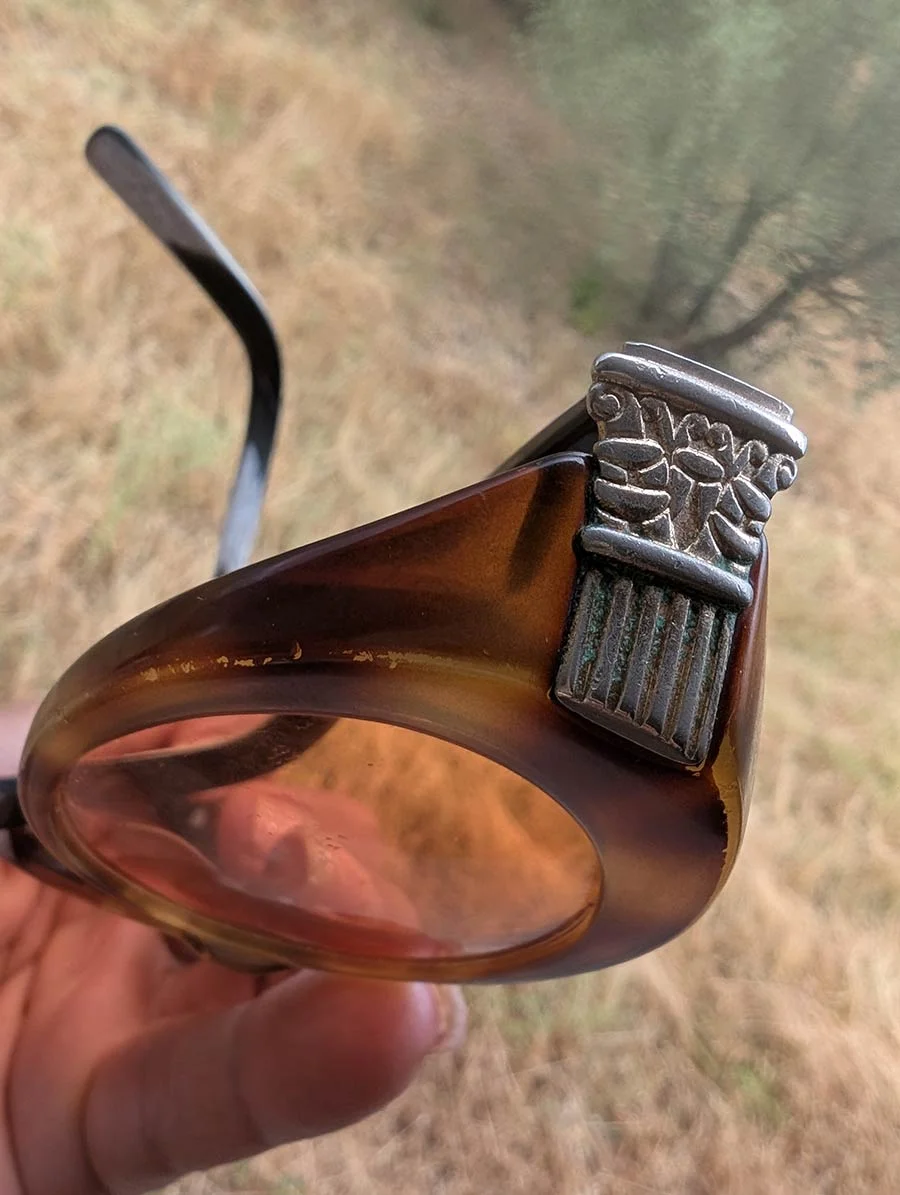
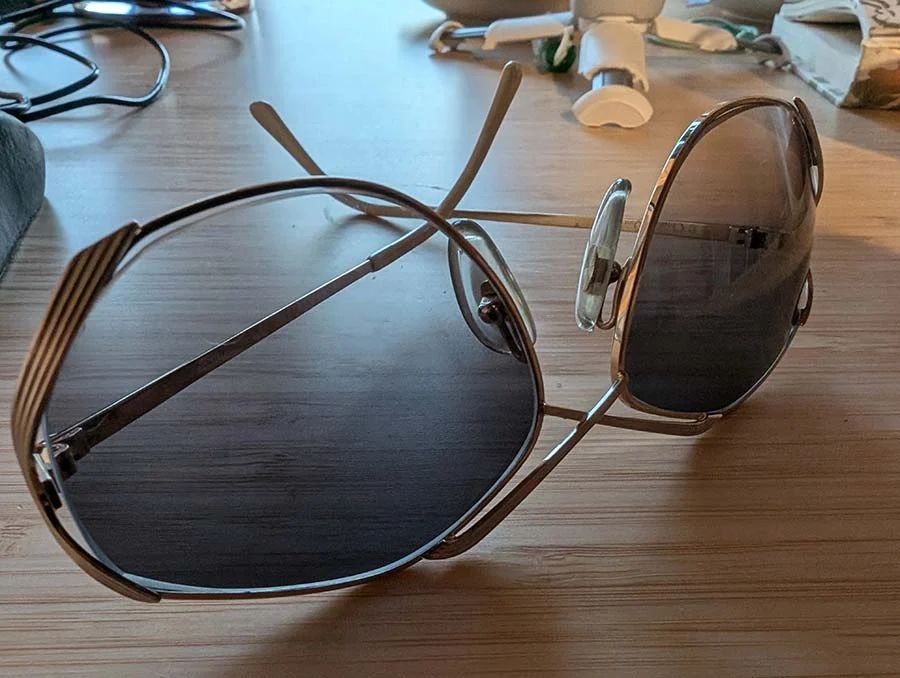
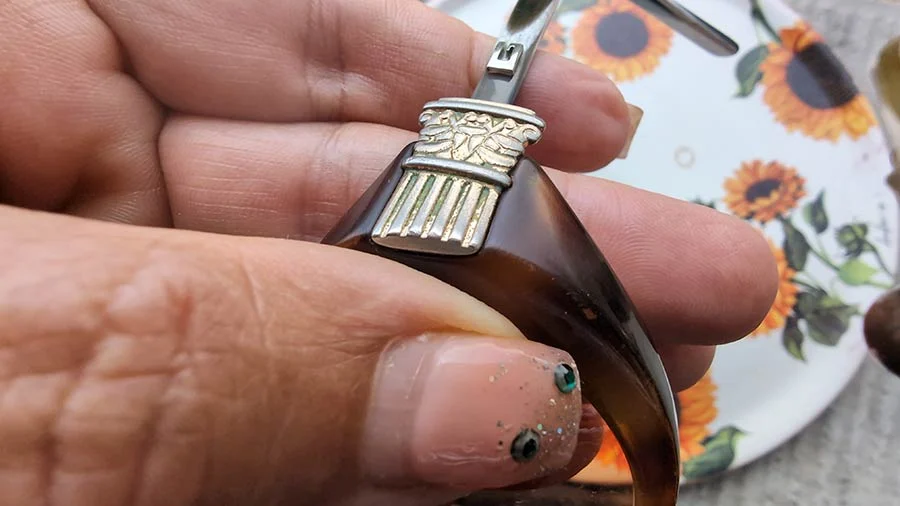
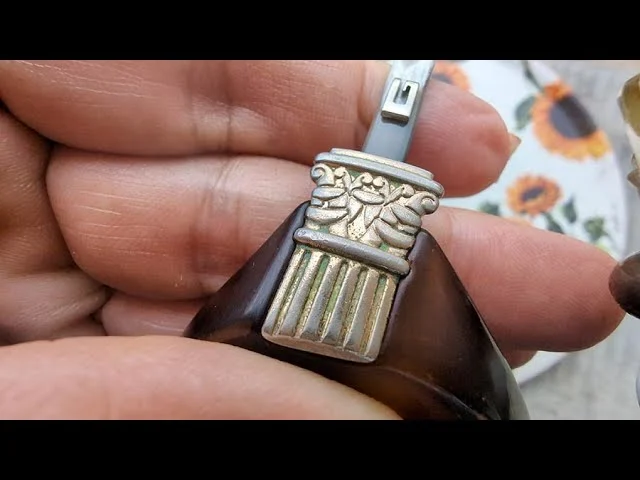
I found these Gucci sunglasses at the antique market in Arezzo. They are from the 1990s. The hardware is real silver, the arms are tortoiseshell, and there is not a single scratch on the lenses.
When I got them home I polished the silver myself. That is the thing about a pair like this. You don’t just wear it. You look after it.
Made in Italy, when it was made by hand
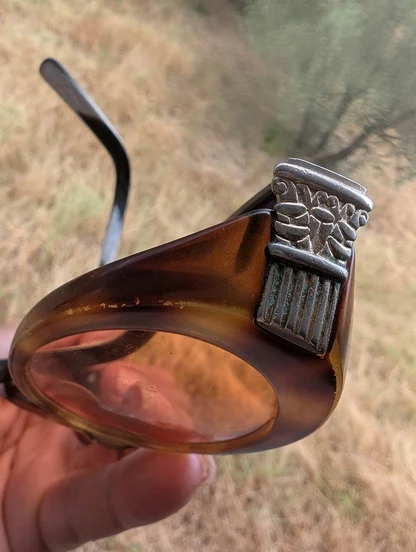
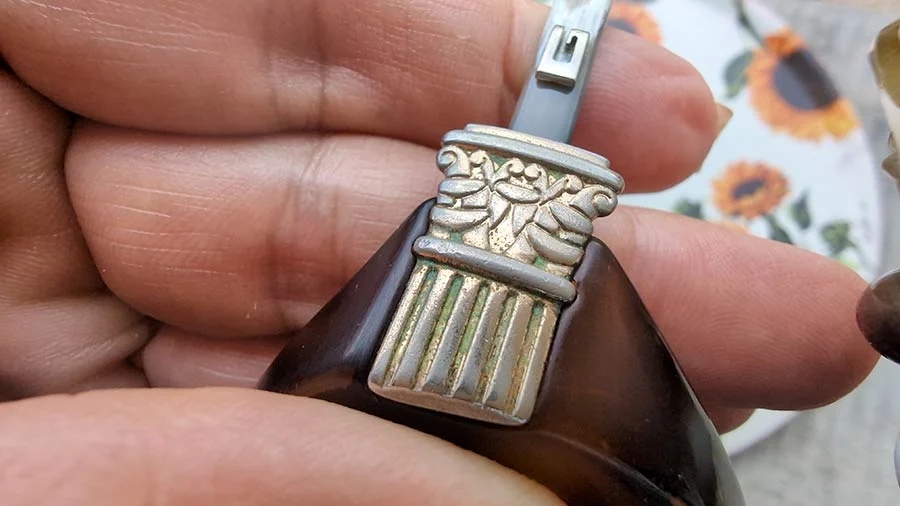
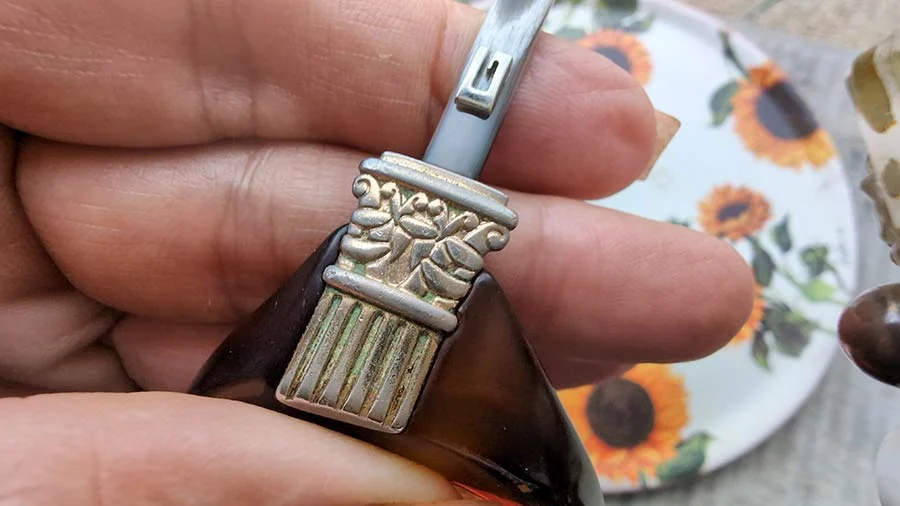
For me, the first thing to check on any pair is the hardware. On these, the silver ornament at the temple is carved with a floral motif, and it has weight in the hand. The frames have never bent and never broken. Nothing has ever had to be replaced.
I can’t tell you who made them or how long it took. What I can tell you is what my hands tell me. Somebody finished these by hand, and they were not in a hurry.
Why silver ages better than plastic
The silver is slightly brushed from decades of handling. You can’t buy that. Age has added to them. The temples sit flat against my face and the weight is balanced, so they stay where I put them.
Is that true of the pairs I have bought new? Not always. In 2021 I bought a new pair of Gucci sunglasses. The glitter came off after a few wears, and so did the stamp. This pair has been going since the 1990s.
The tortoiseshell arms
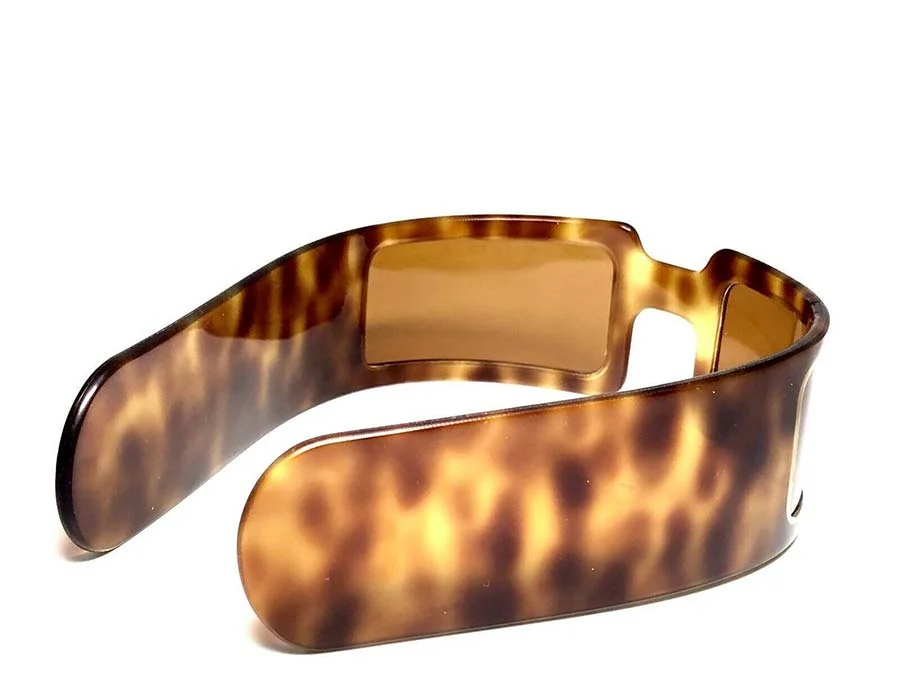
The arms are a dark tortoiseshell. The pattern is quiet. It doesn’t shout, and you don’t forget it.
What I like most is that they are not covered in branding. There is one small “GUCCI” on the arm, in a typeface the house no longer uses. That is one of the ways I check that a vintage pair is what it says it is. It is also how I like to wear a name: small.
Why I wear vintage eyewear
I am not dressing up as another decade. For me, it is about wearing something that no one else in the room has.
I am never in vogue. I am always ahead of it, or most of the time behind it. A pair like this suits me for that reason. It was never part of this year’s trend, so it can’t go out with it.
Better for the planet, and for the wallet
Why buy new when the old one still works? These have been in use since the 1990s. Nothing had to be made, packed or shipped for me to have them.
Vintage doesn’t mean cheap. A pair like this cost real money when it was new. But I would rather spend €200 on eyewear I will still be wearing in ten years than €500 on a pair with no character. And I like to know I got a good bargain.
What I check before I buy
- The lenses. Hold them up to the light. Mine have no scratches at all.
- The hinges. Open and close the arms. They should move smoothly and sit level.
- The hardware. Silver tarnishes, and it polishes back up.
- The name. Small, crisp, and in the right typeface for its age.
- The numbers inside the arm. Mine reads 1615/S and 47□22. The first is the model. The second is the size: a 47 millimetre lens and a 22 millimetre bridge. With those two you can look a pair up before you pay.
- The weight. A good frame has some.
A small scuff or a worn hinge doesn’t put me off. It tells me the pair has been worn, which is what it was made for.
How I wear them
For outfits I take my inspiration from television, and from series like Miami Vice: pastel linen, a jacket with the sleeves pushed up, nothing fussy. A frame with this much silver on it wants a plain outfit around it.
Why I won’t go back
I have tried the new chunky styles. To me the fit is off and the weight is wrong. This pair, I reckon, will outlast me.
Some things are just better made.