How I Find €1,400 Designer Boots for €120 on Vestiaire Collective
I have been buying and selling on Vestiaire Collective for years, but over the last couple of months I have changed the way I shop completely.
I no longer open Vestiaire and ask myself:
“Is this cheap?”
I ask:
“Has this been missed?”
That is a completely different way of shopping.
There are thousands upon thousands of designer pieces sitting on Vestiaire Collective. Some were listed yesterday. Others have been sitting there for six months, a year, even two years. Fashion moves on, algorithms move on, buyers move on — and some extraordinary pieces simply disappear into the digital basement.
That is where I hunt.
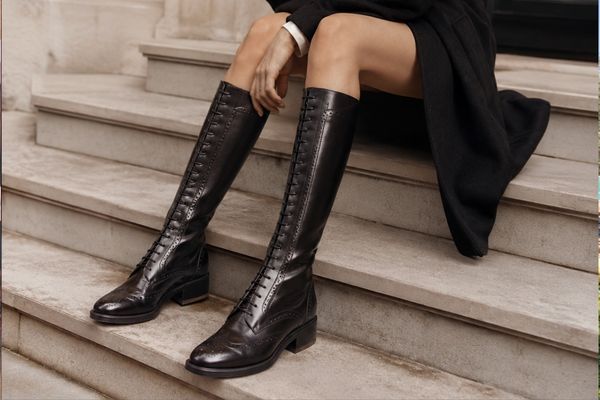
And this week I found exactly the sort of bargain I am talking about: a pair of Church’s high boots that originally retailed around €1,400 for €120.
Were they technically brand new? No. The seller had worn them once.
But this is where experience matters.
The seller explained that she had bought them, tried to walk in them and realised they were too small.
One wear.
To me, that is almost the holy grail of preloved shopping.
Someone else has taken the enormous depreciation hit, while I am buying a beautifully made luxury shoe that has barely touched the pavement.
Stop Looking for Cheap — Look for Mispriced
This is probably my biggest Vestiaire Collective tip.
There is a difference between something being discounted and something being mispriced for what it actually is.
If a €1,400 boot is selling for €600, that is discounted.
If it is selling for €120 because the listing is old, the style isn’t currently being pushed by fashion magazines and most buyers have stopped searching for it?
Now I am interested.
My approach is almost archaeological.
I search old listings.
Really old listings.
Don’t be afraid of pieces that have been sitting on Vestiaire for a year or even two years.
In fact, I actively look for them.
A seller who listed something yesterday may still be emotionally attached to the price they originally paid. Someone who listed a pair of boots 18 months ago may simply want them gone.
That gives you negotiating power.
It also means you are searching where fewer people are looking.
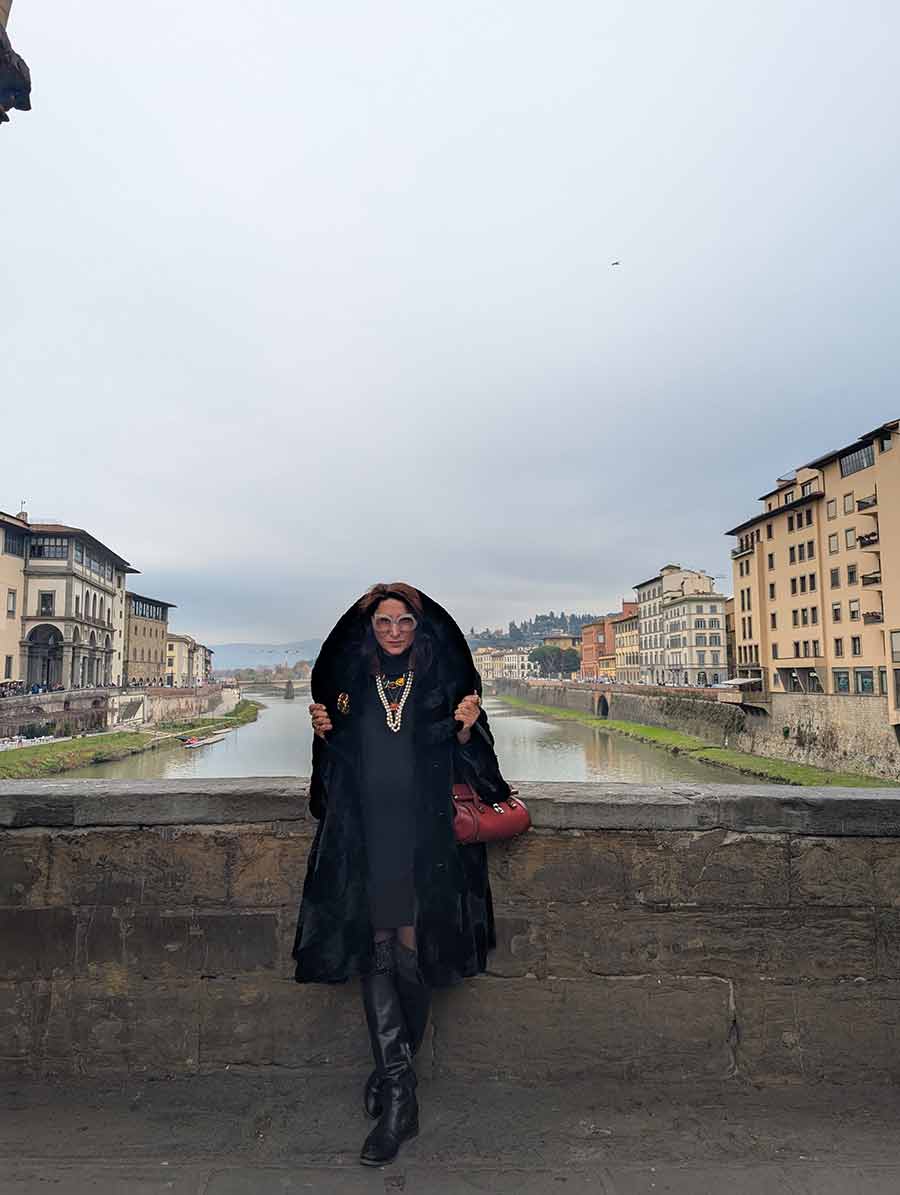
Why Church’s?
I had been hunting for Church’s shoes for years.
Church’s is one of those brands that people who understand shoes know.
It isn’t necessarily about a giant logo. It is about construction, leather, longevity and that unmistakable English brogue heritage.
And there is another interesting connection.
Church’s is part of the Prada Group.
So when I am looking at Prada, Miu Miu and Church’s, I see three very different luxury identities sitting within the same wider group.
I still see Church’s footwear in Italian luxury stores and outlets. In Tuscany, I recently saw Church’s brogues at a Prada outlet selling for around €600.
Beautiful shoes.
But €600 is still €600.
That is why I keep coming back to the preloved market.
Today I wanted the brogues.
Instead, Vestiaire delivered something arguably even more interesting: the high boots.
A style that is no longer being produced in exactly the same way.
And that changes the equation again.
The Best Finds Are Often the Pieces Nobody Is Searching For
Everyone searches for whatever Instagram is telling them to buy this month.
That is precisely where I don’t want to be.
If everyone is searching for the same Prada loafer, the same Miu Miu ballet flat or the same Bottega bag, prices stay high because demand is obvious.
I prefer looking just outside the spotlight.
Church’s boots.
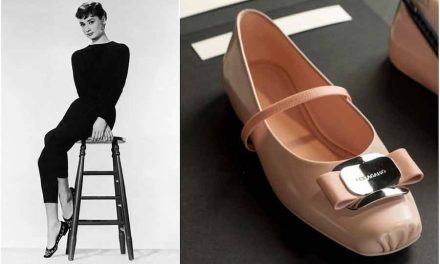
Old Ferragamo.
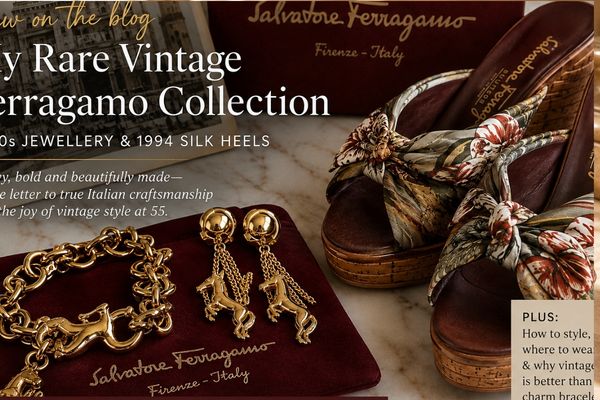
1980s earrings.
Unusual jewellery.
Discontinued colours.
Shoes from collections people have forgotten.
Pieces that perhaps haven’t yet acquired the fashionable word “vintage.”
Because once everybody calls something vintage, guess what happens?
The price goes up.
My philosophy is:
No vintage? Go home.
But I don’t necessarily mean that something has to be 30 years old.
For me, it is about finding something distinctive that no longer feels mass available.
Today’s forgotten fashion can become tomorrow’s collectible fashion.
“Worn Once” Can Be Better Than “New”
Obviously condition matters.
But I don’t automatically reject something because it has been worn once.
With shoes, you have to think about why they were worn once.
The Church’s seller told me exactly what happened.
She bought them.
She wore them.
She realised they were too small.
End of story.
That is very different from a vague description saying “good condition” when photographs clearly show years of wear.
I look carefully at the soles, heels, leather creasing, interior lining and toe.
With boots, inspect the shaft as well. Has the leather collapsed? Are there deep creases? Has it been stored badly?
One wear should look like one wear.
And if the price is €120 against an original retail price around €1,400, I am prepared to tolerate a tiny sign that somebody walked around in them before admitting defeat.
Search by Brand — Then Go Deep
Another trick: don’t just browse the homepage.
Pick brands you understand.
I know what I like.
Ferragamo.
Church’s.
Prada.
Miu Miu.
Fendi.
Bottega Veneta.
And then I go deep.
Change the sorting.
Scroll.
Look at pieces with terrible photographs.
Look at listings nobody has liked.
Look at old posts.
Look at the strangely titled listing where the seller perhaps doesn’t understand exactly what they own.
Sometimes the worst-presented listing contains the best product.
Luxury resale is full of people selling pieces they don’t necessarily know how to market.
That creates opportunity.
A professional reseller knows how to photograph, describe and price an item.
A private seller might simply write:
“Black boots Church size 39.”
And there could be your €1,400 boots.
Don’t Ignore Accessories
Some of my favourite finds aren’t even shoes.
Look at my vintage Ferragamo earrings.
Rare, unworn and extraordinary.
That is exactly the type of item I love finding.
Jewellery and accessories can be even more exciting than clothing because sizing becomes far less important.
An amazing pair of 1980s earrings doesn’t care whether I gained two kilos at Christmas.
A bracelet doesn’t suddenly become unwearable because trouser silhouettes changed.
Accessories allow you to wear genuine vintage without looking as though you walked out of a costume department.
Take a modern white shirt, jeans or simple black dress and add spectacular vintage Ferragamo earrings.
Suddenly the entire outfit changes.
That is Gracie Opulanza style.
Learn Retail Prices Before You Hunt
You cannot recognise a bargain if you don’t know what something is worth.
This is why I still visit the luxury boutiques and outlets.
I look.
I touch.
I try on.
I examine the leather.
I look at the current price.
Then when I see something comparable on Vestiaire for €120, my brain immediately goes:
Hang on.
The outlet is actually one of my favourite places to research the preloved market.
It gives you a reality check.
If an older shoe is €300 on Vestiaire but a new version is €350 at an outlet, it isn’t much of a bargain.
But when a luxury boot that originally sat around €1,400 appears at €120 in barely worn condition?
Now we are talking.
Fashion Comes Back — Quality Never Left
The other reason I buy these pieces is simple.
Fashion repeats itself.
Brogues disappear.
Brogues return.
High boots disappear.
High boots return.
Big earrings disappear.
Then suddenly everyone wants giant 1980s jewellery again.
I have watched these cycles for decades.
So I am much less interested in whether an item is considered fashionable today.
I ask whether it is beautiful.
Is it well made?
Is the leather fabulous?
Is the shape timeless?
Is it unusual?
Would I still want to wear it five years from now?
If the answers are yes, I don’t care whether an influencer has posted it this week.
In fact, I would rather she hadn’t.
Because once she does, my €120 bargain becomes €500.
The Thrill Is in the Hunt
Buying vintage and preloved fashion isn’t simply about saving money.
For me, the hunt is part of the pleasure.
Finding something rare.
Finding something forgotten.
Finding a listing that has been sitting quietly for two years while thousands of shoppers scroll straight past it.
Then recognising what everybody else missed.
That is the real skill.
My Church’s boots weren’t sitting at the top of a “Trending Now” page.
They weren’t this week’s must-have.
They were simply beautifully made luxury boots waiting for somebody who understood them.
€1,400 retail territory.
€120 paid.
Worn once.
That is my kind of fashion mathematics.
So next time you open Vestiaire Collective, don’t just search for what is fashionable.
Go backwards.
Search the old listings.
Search the forgotten brands.
Search discontinued pieces.
Study the photographs.
Know your retail prices.
And above all, stop asking:
“Is this cheap?”
Start asking:
“Has everyone else missed this?”
That is where the real vintage treasures are hiding.
And if you find a pair before I do?
Well, just don’t tell me.