How Your Unique Vintage Clothing Purchases Are Sustainable
Why I stopped buying at Zara and buy vintage and thrift instead: one-off pieces, wool that feels like wool, and clothes that still look good 15 years on.

Stop using fashion as a status symbol. Thrift shops and vintage clothing are how you can be more sustainable with what you wear.
Shopping vintage means you’ll buy less stuff
I have not bought anything from Zara in two years. The simple reason is the clothes are of no value, quality or originality for me. My last purchase lasted five weeks until it tore at the seams.
There is no denying I am flogging a dead horse when it comes to fast fashion and what it offers for the money: endless collections and bang on trend versatility. As I walked through the store yesterday I admired the design, the colour and the wide range of clothing. But when it came to the quality of the fabrics, I felt sick to the core.
I don’t believe those who buy at Zara are thinking about sustainable fashion or Join Life, let alone limited edition. Thanks to Zara the words limited edition have been diluted. There is nothing original or limited when you buy clothes from Zara.
How much Zara have you got in your wardrobe? And then you walk down the high street and see someone else wearing it. For me, it’s really embarrassing to see that.
Zara versus atelier
As of today Zara has launched, for the first time, an embroidered jacket aimed at the atelier market. A limited-edition, machine-made coat. How can I inspire you to turn your back on fast fashion, buy less and dress originally, when Zara has the marketing power to destroy the word atelier and the industry behind it? Jeans and T-shirts for our flooded wardrobes are what Zara is all about. The fast fashion industry does not care about environmental impact, let alone its carbon footprint.
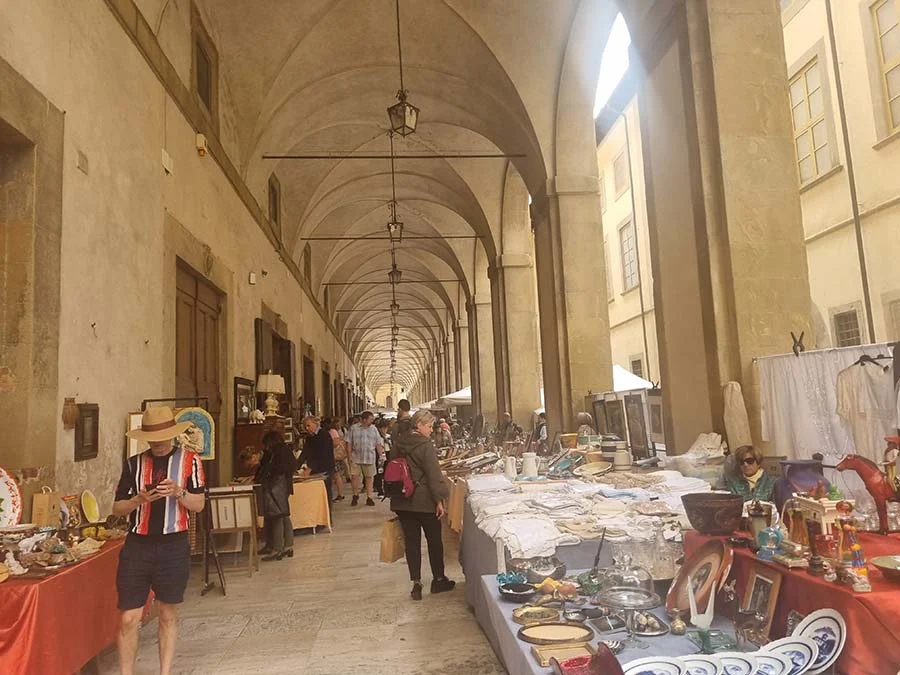
I buy my embroidery at vintage stores, as the textiles and the cotton are of so much higher quality. Clothes that still look amazing after years of wearing them. My teenage girls are now wearing some of the clothes I bought 15 years ago.
I regret giving my clothes away many years ago, because of the quality of the fabrics. I had a crochet outfit made for me in Europe, designed by me. An art piece to die for.
In Zara’s stores now there is a lovely lambswool jacket at a very affordable price.
Buying at thrift stores minimises consumer waste
I noticed in Holland this summer that many students were buying vintage clothing. One student asked if the clothes on sale were authentic vintage. I knew from experience it was simply old stock, rehashed and sold as second-hand clothing. I would go as far as to say that, compared with Zara prices, it was not that cheap.
But the key in buying vintage or at thrift stores is that it’s all about original, one-off garments that will never be found on the high street. That is the attraction of investing in second-hand clothing.

My daughter is wearing my vintage Karen Millen cardigan, which I bought 15 years ago. She is wearing my faux fur hat with my vintage Ralph Lauren gilet.

Thrift shops are good for local economies
I am supporting a local second-hand shop whose owner has amazing luxury brands for sale at brilliant prices. The leather and organic cotton of her clothes are so much more rewarding to buy and wear when I walk out of her store. I know that some of the clothes I buy there cannot be found at the likes of H&M.
It is a much nicer buying experience when you buy from a local store or a charity shop.
Thrift stores and vintage clothing boutiques create jobs
People who work in charity stores or vintage shops are true lovers of fashion. They are not the norm when it comes to mainstream retailers. Some of the items I find have a resale value, and I sell them on Vestiaire. They make me money. So the unwanted, wasted purchases I made can help replenish my bank account.
Buying vintage is a great way to support lifestyle brands
In the UK I do luxury lifestyle reviews. So when I drive a Rolls-Royce I make sure that my clothes are handcrafted purchases, to support the luxury lifestyle car I drive. For me, vintage clothes are all about a quality way of living. By shopping vintage, I am supporting preloved fashion alongside recycling clothes. My purchases in most cases have never been worn, or worn once.
It is so much fun to hunt for items that are not there to be trendy. I am always about setting the trends, not buying into them. I buy vintage fur because it is sustainable, keeps me warm, and is respectful to the animal that once was.
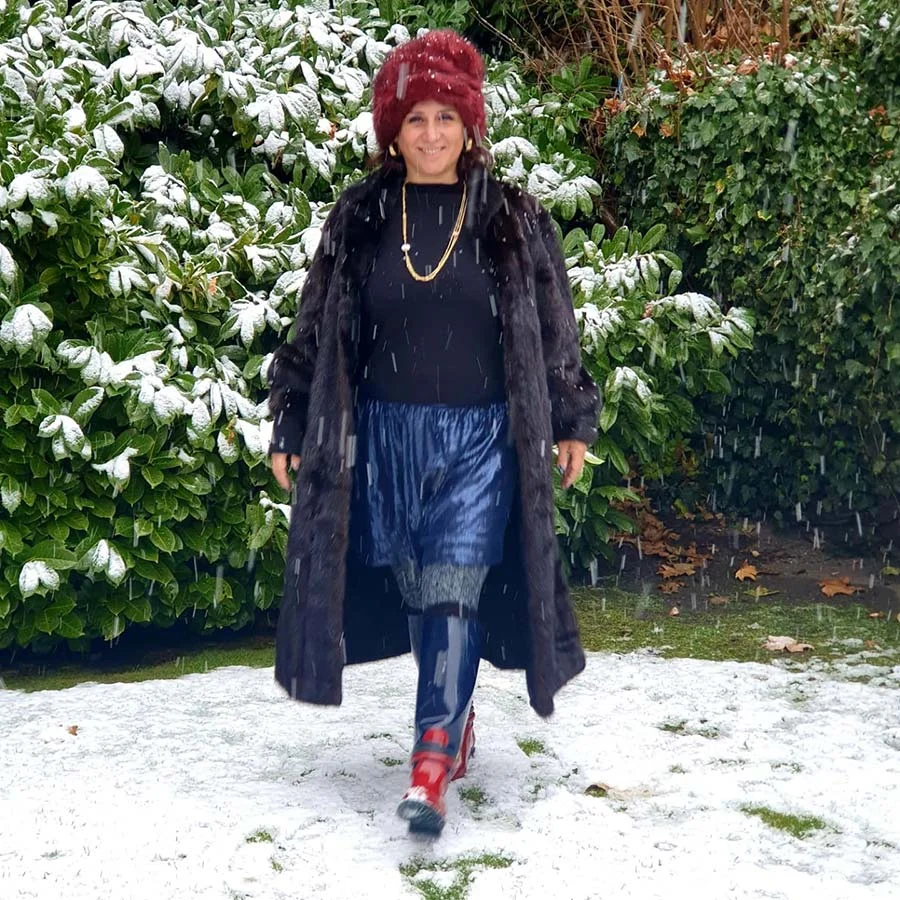
Why you should buy artisanal and vintage fashion
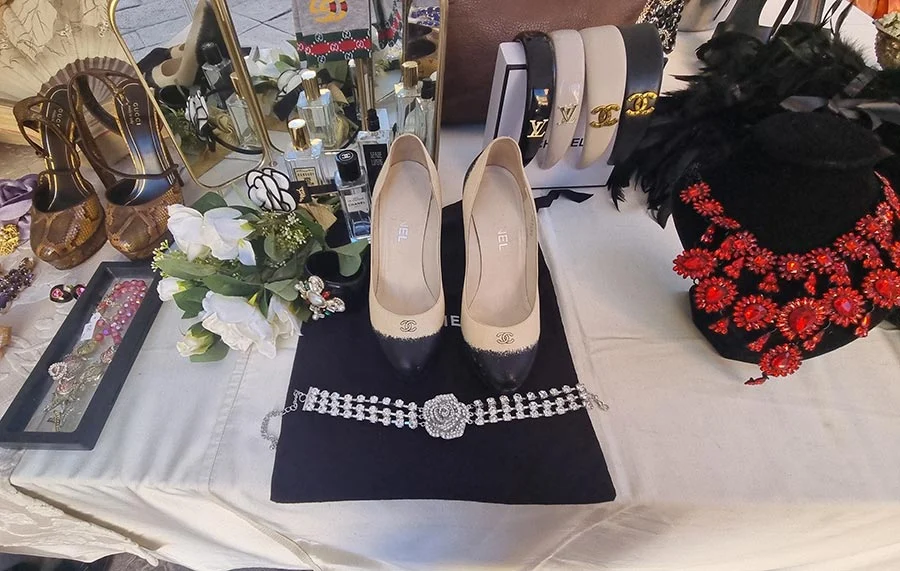
I have purchased amazing fur coats and leather jackets that no supply chain can ever replicate. Unique, one-off finds made in Europe. I love hunting for items all made in Europe. The knitwear coats, jumpers and quality cotton shirts are pieces that belong in anyone’s wardrobe.
Cut from a different cloth
It’s hard work going to second-hand shops and finding items that belong to my personality. But it’s that hunt that brings rewards to my mental health. Finding wool items that feel like wool is part of the joy that feeds my passion for fashion. Vintage finds are for the unique women of quality. For me, fast fashion cannot give you that.

Green moss cape, made in Italy.
Vintage denim
Quality denim is so hard to find now. Vintage jeans I have owned for many years still look great. The G-Star Raw denim I bought years ago is much better quality than the denim sold in their stores now. Eco-friendly fibres are hard to find. But vintage items come from a textile industry of the past that can never be replicated.
Fast fashion companies are not about selling sustainable materials. It’s not in their business model to do so. The chemicals and the amount of water used to make denim are terrible. GAS, an Italian company, recycles its old denim. So the next time you choose to wear Levi’s, opt for vintage.
True vintage
When I buy true vintage I can’t see the artisan’s hard work. There is no transparency. But what I do know is that vintage natural fibres are what the messages of ethical fashion brands are all about. When I was growing up, fast fashion brands didn’t exist. Asos had not even been created. So for Gen Z to fight against fast fashion retailers is a tough challenge. But they are the sustainable fashion movement that needs to lead the way when it comes to conscious consumers.
Vintage is sustainable fabrics
By buying vintage clothes made in Italy or London, you are turning your back on a textile industry that uses many litres of water to make denim. For many years now I have not bought clothes that I see are made in China. When I see wool made in China, I really doubt it’s wool at all. I am Australian. I grew up with sheep and wool farms around me.
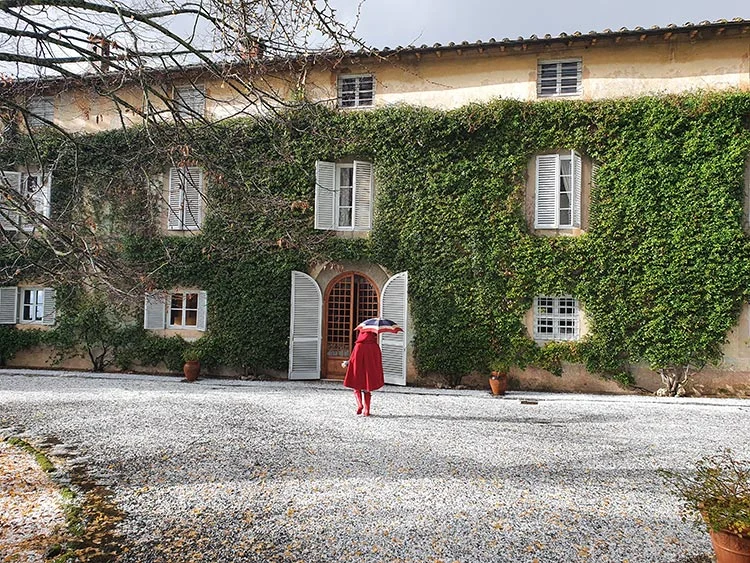
My red cape is made in Italy, from vintage fabric.
Leather handbags
The next time you need a leather handbag, opt for a vintage store. I found some amazing original handbags that look fabulous on my teenage girls. All made in France. Never been used. I teach my daughters about buying quality, original items made in Europe or the UK.