The Allure of a Vintage Fur Coat: How It's Made
How a vintage fur coat is made, from matching the pelts to the hand-stitched lining, with photographs of a coat opened up to show the seams inside.
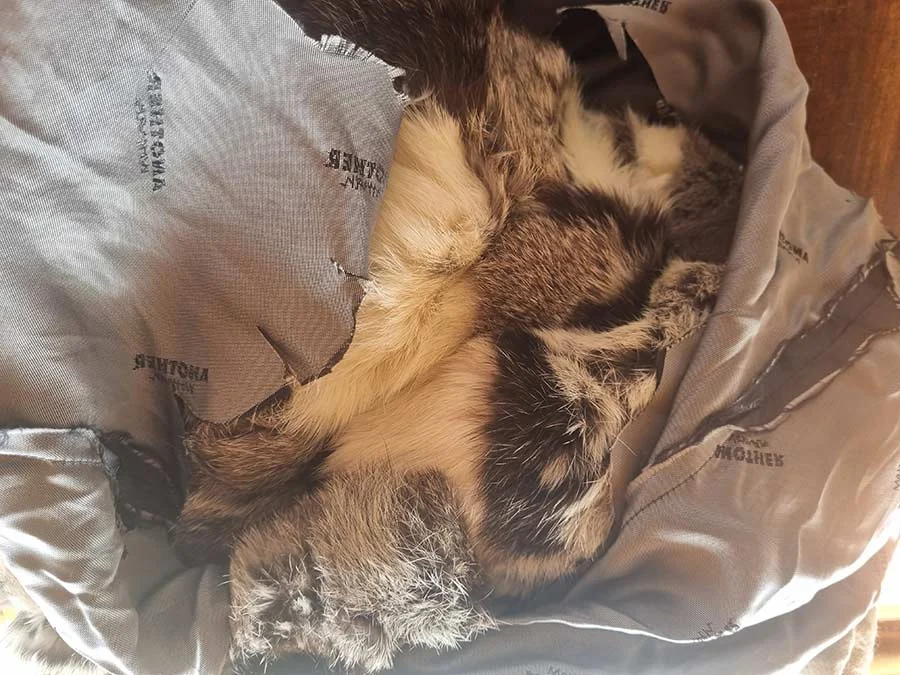
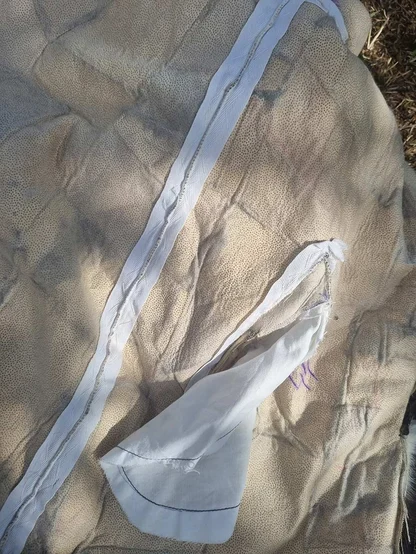
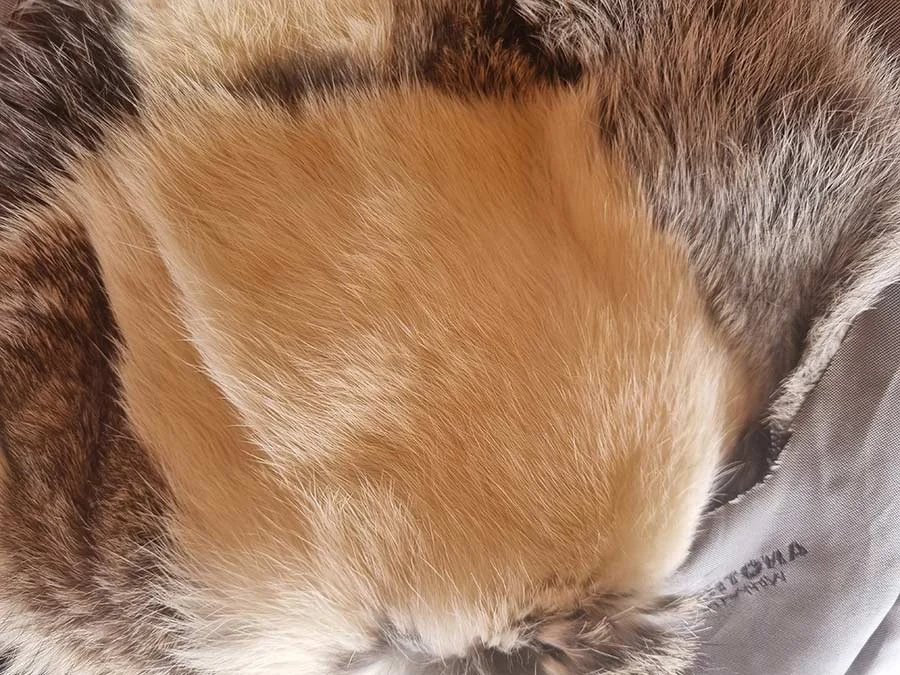
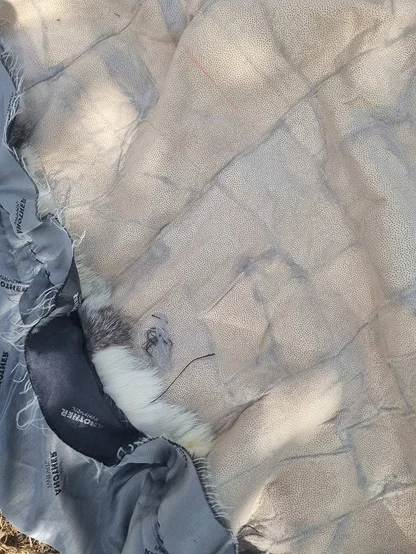
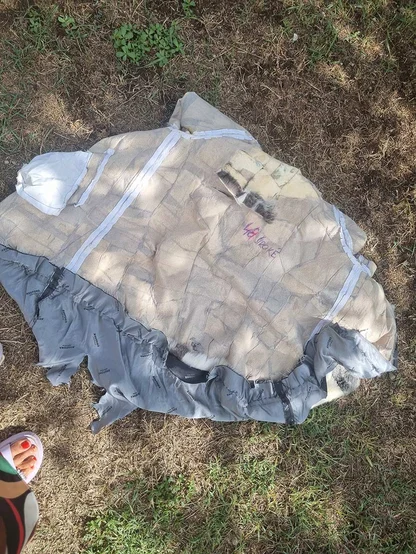
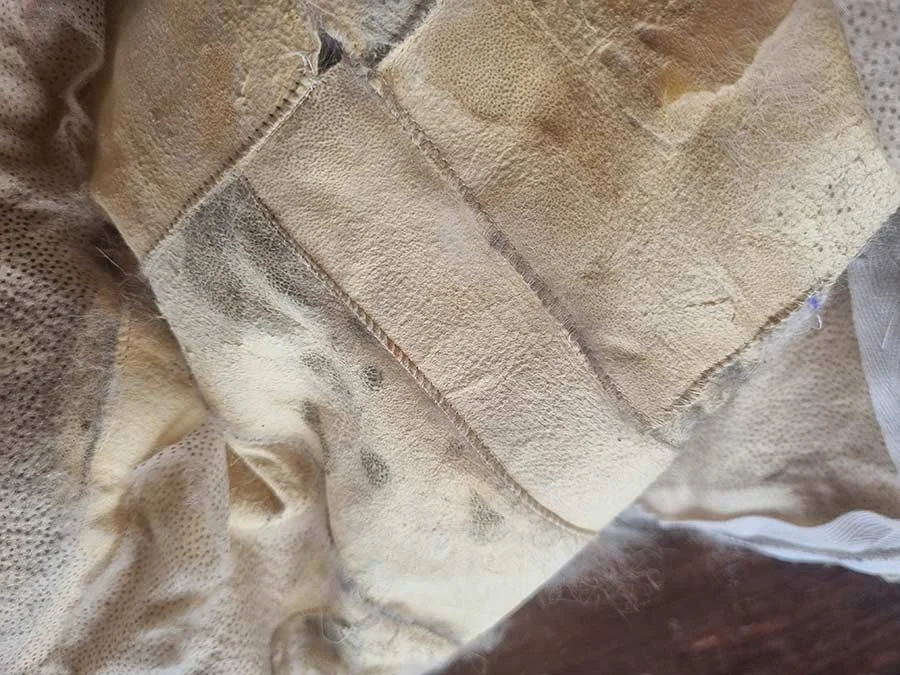
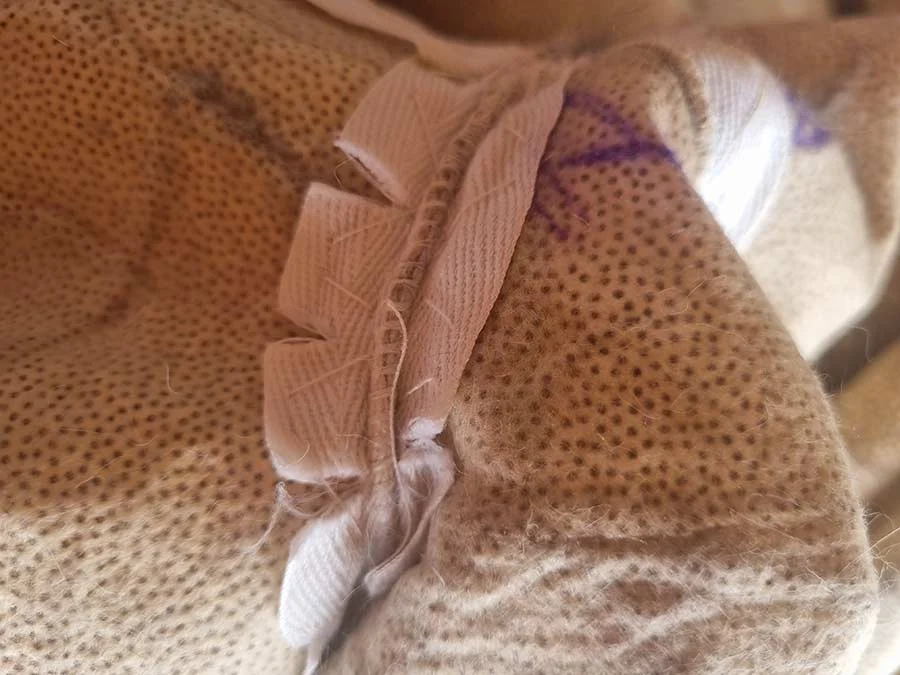
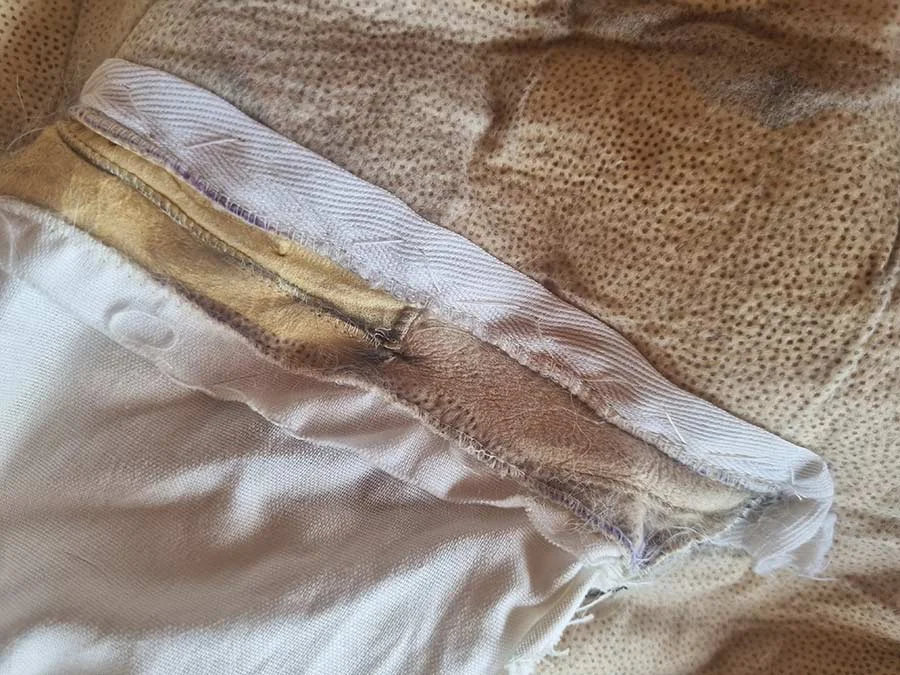
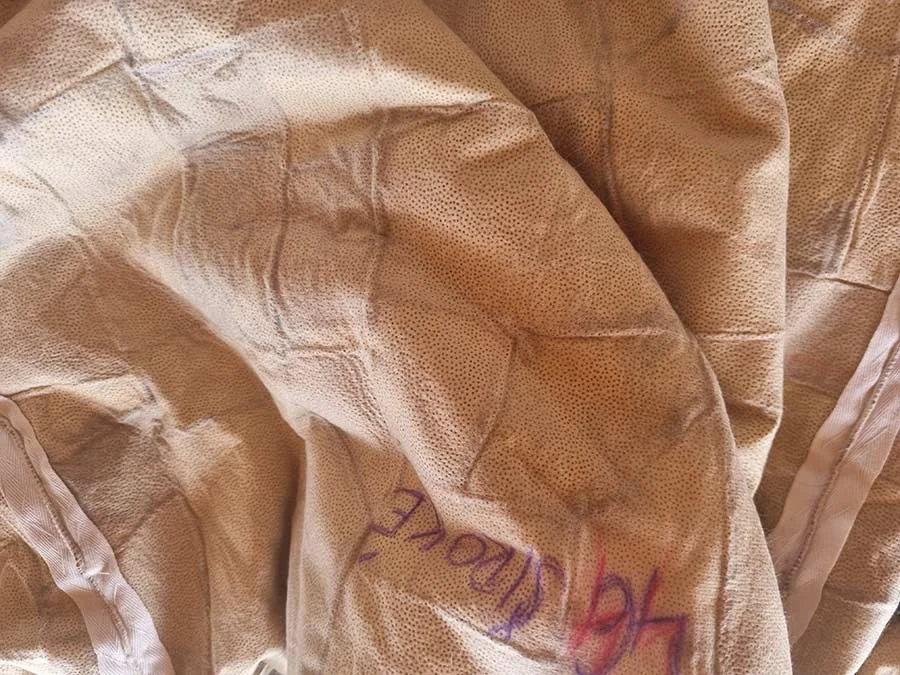
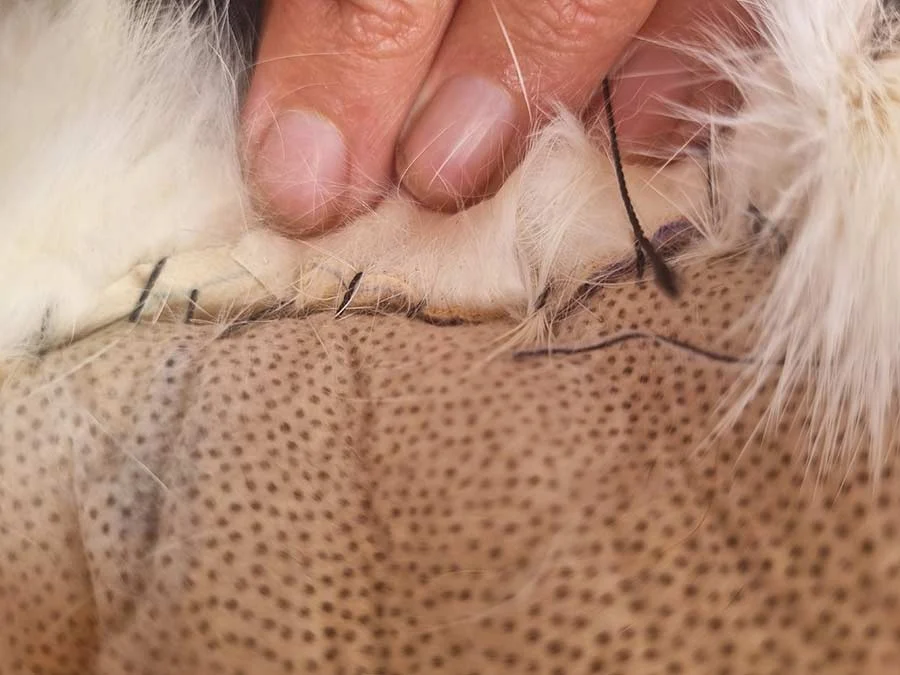
I love a vintage fur coat. For me there is a charm to an old one that a new coat can’t match. I bought all my fur coats in Andorra. But how is one made? What follows is what fur makers have told me. The photographs here show one of my coats, an old one, with the lining peeled back, so you can see what is normally hidden: the leather side of the pelts, the seams and the tapes.
Why a vintage fur coat?
Part of it is the softness. Part of it is the way fur moves with you and catches the light. And a vintage coat has a past. Somebody stitched it together by hand, and somebody wore it before you did.
Choosing the pelts
A fur coat starts with the pelts. The furrier chooses them for quality, texture and sheen, and softness alone is not enough. No two pelts are the same. Some are thicker, some are silkier, some have more shine.
So the furrier looks for the ones that match. They have to sit side by side in one coat and look like one piece.
The pattern, the cutting and the sewing
Next comes the pattern. It has to follow the natural shape of the fur, which is nothing like cutting cloth. The furrier marks the pelts and cuts them to the pattern. In the photographs you can still see pen lines on the leather. One wrong cut and a pelt can be ruined.
Then the pieces are sewn together. Fur is not stitched the way fabric is. The seams are made so the fur lies flat and no join shows from the outside. Look at the inside and there they are: many pieces, joined by fine seams.
The lining
The lining is the part only you see. It is usually silk or satin, and it does more than feel nice. It helps the coat keep its shape and gives it structure and weight.
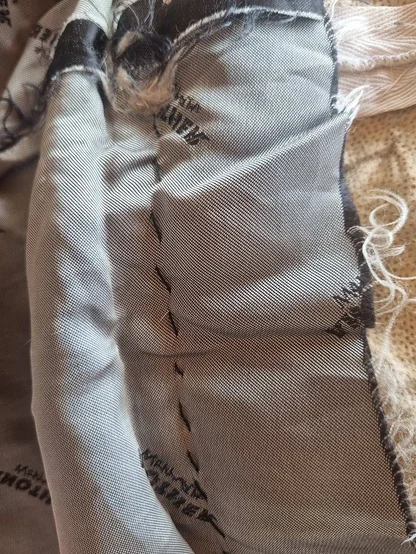
It is stitched to the fur by hand, which takes hours and sometimes days, and it must not pull or wrinkle. On this coat the lining is grey, printed with lettering, and you can see the hand stitches in black thread.
Buttons, collars and cuffs
Last come the details. Buttons are often horn or bone, and sometimes they are covered in fur. Collars and cuffs are added for warmth, sometimes in a contrasting fur. These are the things that make one coat different from the next.
The finished coat
What began as a pile of pelts is now a coat. When you know how many pieces and how many hours are inside one, you look at it differently. For me, that is what mass production can’t copy.
Why I love my vintage fur coat
I buy vintage fur because it is sustainable, it keeps me warm, and it is respectful to the animal that once was.
So the next time you put on a fur coat, think about the hands that stitched it. Then wear it.