Vintage Fur: What Is Seal Fur?
Seal fur is sleek, dense and very warm, and far rarer in vintage shops than mink or fox. What it is, how to care for it, and the case for buying it vintage.
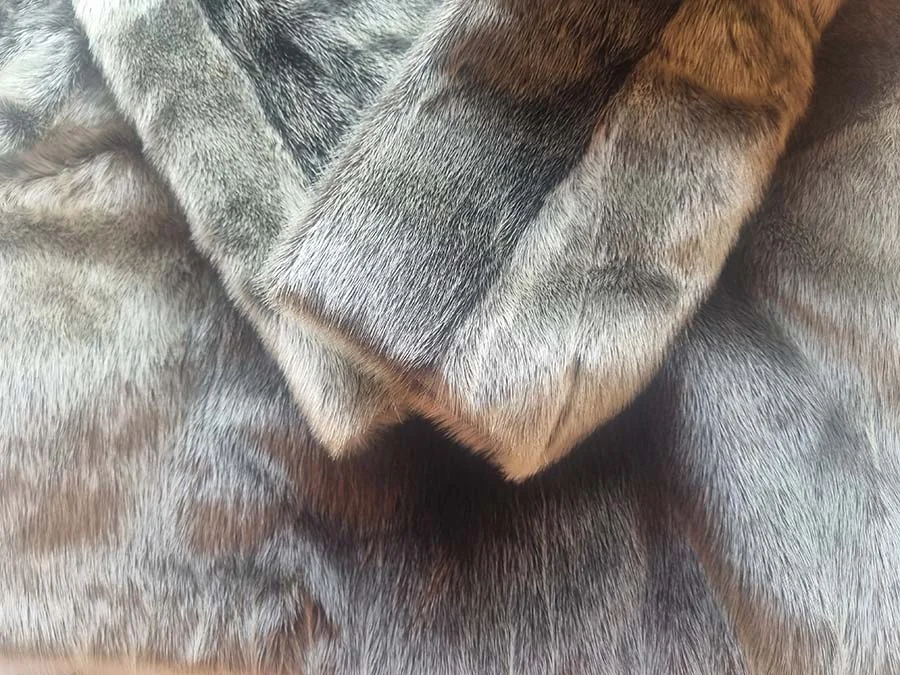
Seal fur is not mink and it is not fox. It is sleek, dense and very warm, and you don’t come across it often. So what is it, and would you wear it?
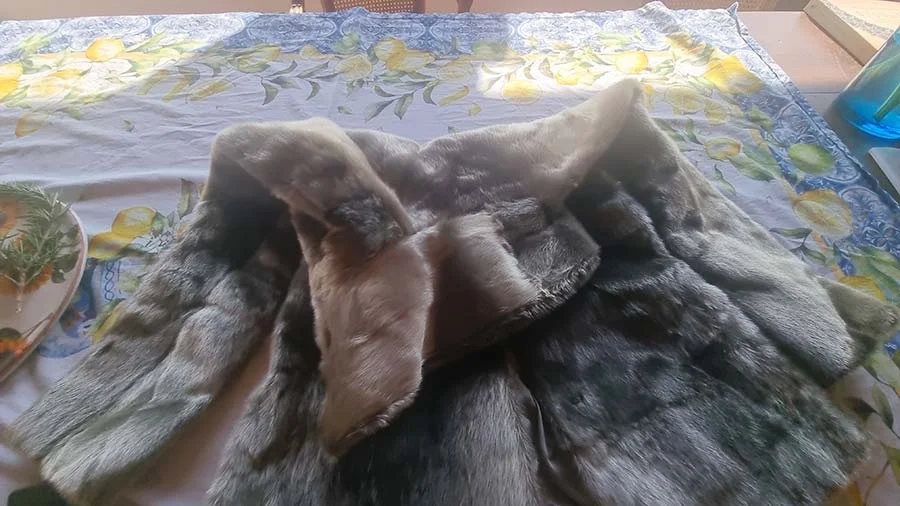
The coat and the short jacket in the photographs are mine.
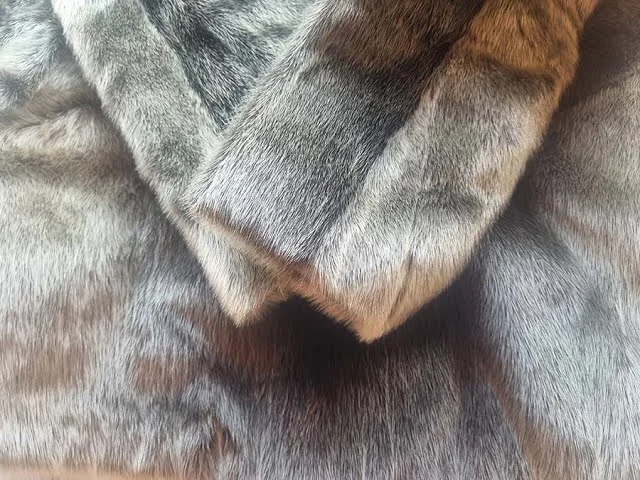
What seal fur is
The fur comes from seals that live in cold, harsh places. The animal grows a thick coat to survive freezing temperatures, and that is what makes a seal fur garment so warm.
The pile is flat and close. It feels sleek under the hand, not fluffy. You have to touch it to understand it.
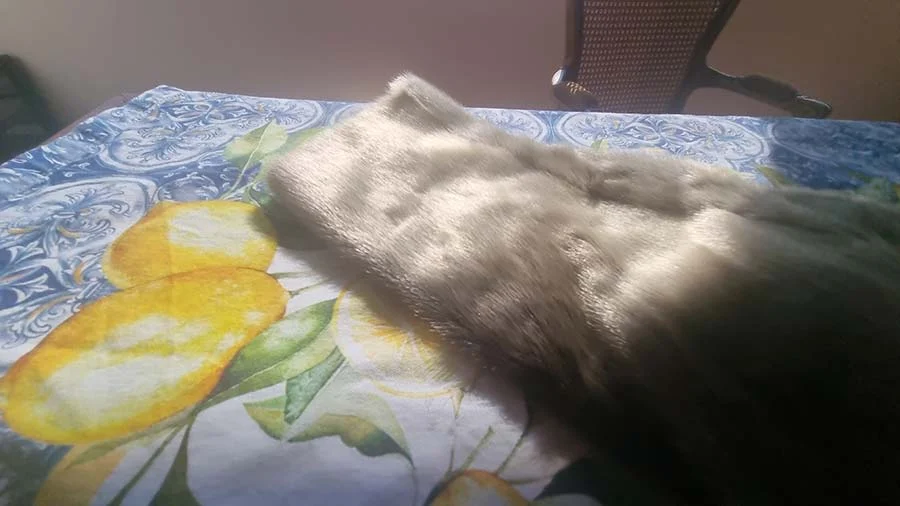
How a seal fur coat is made
A furrier doesn’t simply stitch pelts together. The pelts are chosen to match in texture and colour, and then sewn so that the joins don’t show. That takes skill and an eye for detail.
Fur needs looking after too. You can’t throw it in the wardrobe and forget about it. It has to be stored properly, cleaned regularly and handled with care. Looked after, a seal fur coat can last a lifetime and be handed on.
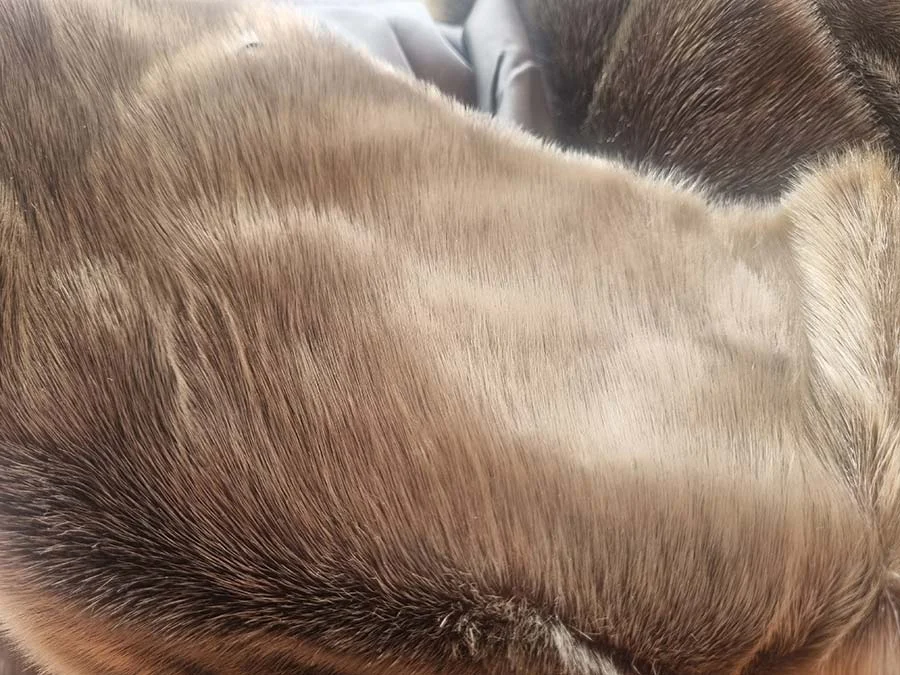
Seal fur in vintage shops
You will find seal fur far less often than mink or fox. So when one turns up, stop and look.
These coats come from years when women dressed up to go out, and a coat said something about the woman wearing it.
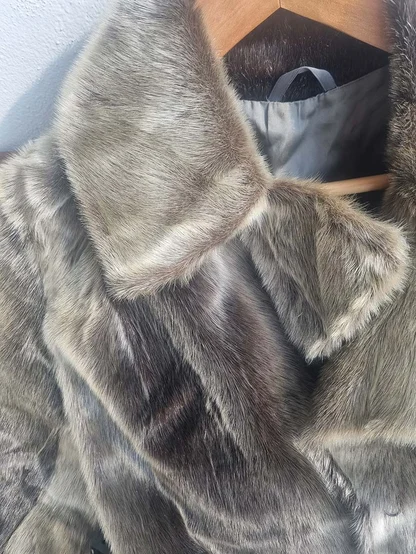
The controversy
Is wearing seal fur controversial? Yes, it is. Fur isn’t for everyone, and the ethics of it have been argued over for years.
The argument is about the fur trade today. A vintage coat stands outside that. Buying one puts no money into the modern fur industry, and nothing new has to be made. The coat already exists. Wearing it is recycling.
For me, that is the case for vintage fur. It is sustainable, it keeps me warm, and it is respectful to the animal that once was.
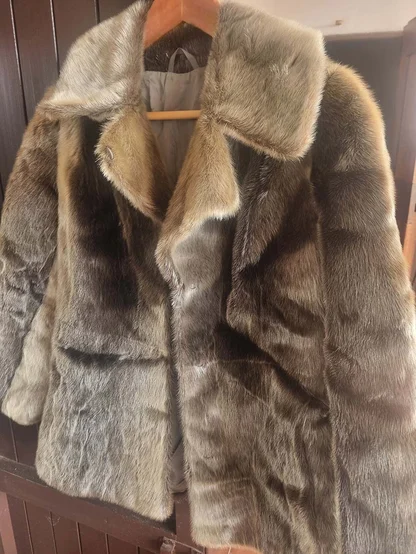
Would you wear seal fur?
If you come across a vintage seal fur piece, try it on. Feel the weight and the warmth. If your conscience is clear, wear it. And look after it.